

Boat ownership brings freedom on the water, yet financial responsibility follows every launch. Many new boat owners ask the same question: how much is boat insurance and what factors shape that cost. Premiums vary widely depending on the boat itself, the owner’s history, and how often the vessel enters the water.
Understanding these details helps owners avoid surprises while planning their protection. For boaters researching Illinois boat watercraft insurance, knowing how insurers calculate premiums can make coverage decisions far clearer.
Average Cost of Boat Insurance
Insurance costs differ across watercraft types, yet many policies fall within a predictable range. Many boat owners pay between two hundred and five hundred dollars per year for coverage. Larger vessels often cost more to insure because repairs and replacements carry higher price tags.
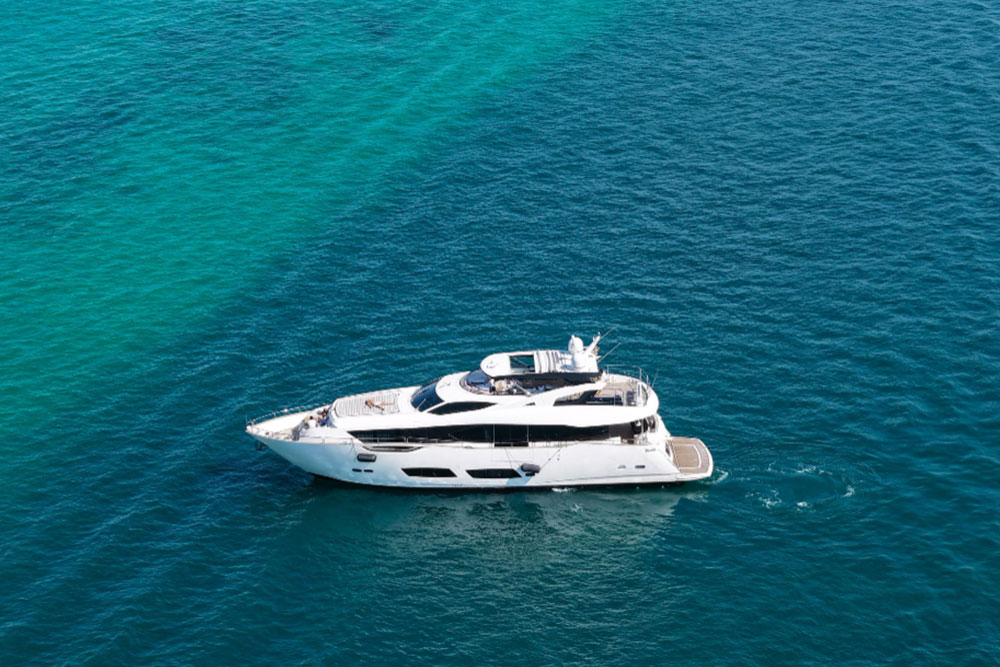
For expensive vessels such as yachts or luxury sailboats, premiums sometimes equal one to five percent of the boat’s value each year. A vessel valued at one hundred thousand dollars may therefore carry a policy costing several thousand dollars annually.
These figures represent broad estimates rather than fixed pricing. Each insurance company evaluates risk differently, which explains why two boat owners with similar vessels may receive different quotes.
The Type of Boat Influences Insurance Pricing
Boat design and value play a significant role in premium calculations. Smaller vessels such as basic fishing boats often cost less to insure because repair expenses remain relatively modest.
Luxury boats carry higher insurance costs due to their size, advanced systems, and replacement value. A yacht, for example, may require specialized parts and skilled technicians during repairs. That increases the financial risk insurers consider when determining premiums.
Personal watercraft such as jet skis also involve unique risks. Their speed and maneuverability increase the chance of collisions or injuries. These characteristics sometimes raise insurance costs compared with slower vessels.
Motor Power and Performance Matter
Engine size and horsepower directly influence insurance pricing. High-powered motors enable faster speeds, which increase accident risk. Insurers often charge higher premiums for vessels equipped with powerful engines.
Boats designed for speed or water sports may carry additional risk exposure. Activities such as towing water skiers or wakeboarders increase the chance of injury claims. These risks appear in premium calculations.
In contrast, slower boats used mainly for leisure cruises or fishing often receive lower rates because the likelihood of severe accidents remains lower.
Motor configuration also influences cost. Inboard engines, outboard engines, and multiple motor setups each affect the risk profile of the vessel.
Boat Condition and Safety Standards
The physical condition of a boat influences its insurability. Vessels that meet modern safety standards typically receive more favorable pricing.
Older boats sometimes cost less to insure due to lower market value. However, outdated equipment or safety concerns may raise premiums if insurers view the vessel as more vulnerable to accidents.
Maintenance also plays a role. Boats with well documented care records present lower risk than vessels with unknown mechanical histories. Insurers often review these details during underwriting.
The Boat Owner’s Experience and History
Insurance companies evaluate the boat operator in addition to the vessel itself. Age and experience influence risk assessments.
Many insurers view boaters between the ages of twenty five and sixty as lower risk due to driving maturity and experience. Younger operators sometimes face higher premiums due to limited boating history.
Driving records also matter. A history free of accidents or insurance claims generally results in more favorable rates. Conversely, recent claims or traffic violations may increase premiums.
Experience on the water also influences pricing. Boat owners who complete boating safety courses sometimes receive lower insurance rates because insurers view them as more responsible operators.
What Boat Insurance Coverage Usually Includes
Boat insurance policies typically include several types of protection that address different risks on the water.
Liability coverage addresses damage or injuries caused to others during boating accidents. This portion of the policy often handles legal costs and property damage claims resulting from collisions.
Physical damage coverage addresses repair or replacement expenses for the insured vessel after events such as collisions, theft, fire, or severe weather.
Medical payments coverage addresses injury treatment costs for passengers or the boat owner after an accident.
Personal property coverage may reimburse the value of equipment carried on board, such as fishing gear or navigation systems.
Many boat owners explore multiple insurance products and coverage when evaluating how watercraft protection fits into a broader financial strategy.
What Boat Insurance Typically Does Not Cover
Insurance policies include exclusions that define the limits of coverage. Boat insurance generally does not cover normal wear and tear that occurs through everyday use.
Mechanical failures resulting from poor maintenance also fall outside typical policy coverage. Insurers expect boat owners to maintain equipment properly.
Animal damage represents another common exclusion. Collisions with marine wildlife or damage caused by animals may not fall under standard policy protection.
Improper storage or careless transportation can also lead to denied claims. Boats that fall from trailers or suffer damage during poorly secured transport often fall outside policy coverage.
Policies may also define navigational limits that restrict where the boat can operate. Operating outside those boundaries may result in denied claims.
Why Insurance Planning Matters for Boat Owners
Boat ownership involves significant financial investment. Repairing hull damage, replacing engines, or addressing injury claims can lead to substantial expenses.
Insurance allows boat owners to manage these risks through structured financial protection. Premiums represent a predictable cost compared with the uncertainty of major accidents.
Choosing the right coverage involves balancing affordability with protection. Boat owners benefit from reviewing policy options carefully before finalizing decisions.
Many individuals also evaluate broader customized insurance solutions when aligning boat insurance with home, auto, and liability policies.
Understanding the Real Cost of Boat Insurance
The question of how much is boat insurance rarely has a single answer. Boat type, engine power, usage habits, location, and operator history all influence premium calculations.
Smaller boats used occasionally often carry modest premiums, while luxury vessels or high performance boats require larger insurance budgets. Safety practices, responsible boating habits, and policy choices can all influence the final cost.
At RetireMax Insurance, we speak with boat owners every day who want clear answers about coverage and cost. Our family-owned agency has worked with clients for more than thirty years, and we focus on real conversations and responsive service.
If you want to understand how much boat insurance may cost for your situation, we will review the details with you and help you choose coverage that fits your needs.