

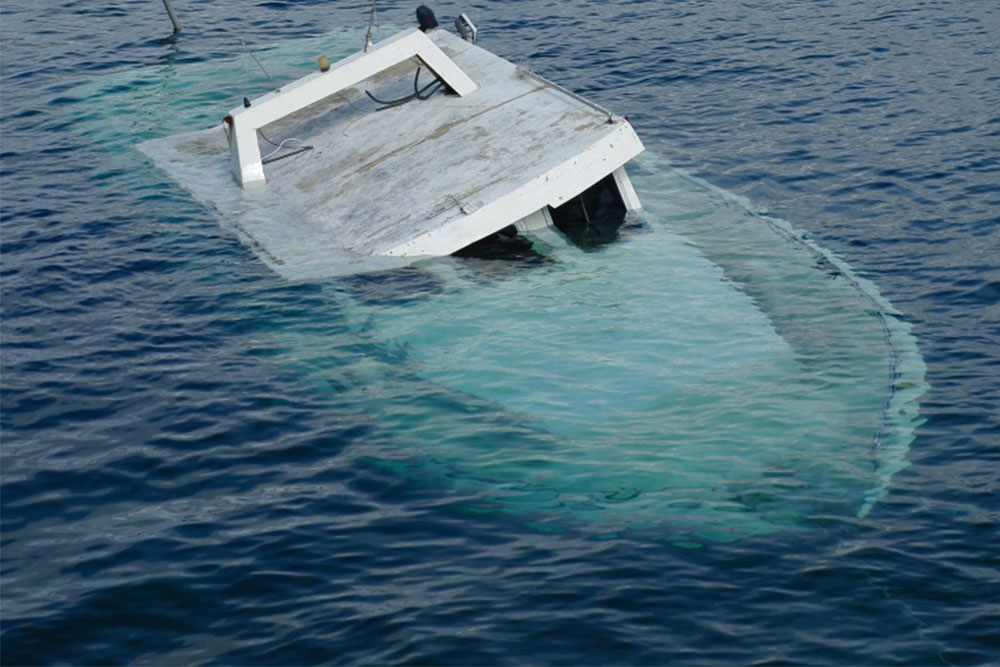
Unexpected water-related incidents can turn a routine outing into a costly situation within minutes. Many boat owners ask, does boat insurance cover sinking, especially when recovery costs alone can reach thousands of dollars. A vessel can sink during operation, while docked, or even due to unseen damage beneath the surface. The real concern lies not just in the event itself, but in how insurance products and coverage respond.
Understanding what your policy includes can make the difference between manageable expenses and a significant financial setback.
Why Sinking Creates Immediate Financial Risk
Beyond the mechanical failure, a sinking event triggers immediate financial risks, starting with specialized recovery and salvage fees. Recovery expenses often range from several thousand dollars to significantly higher amounts based on depth, location, and vessel size.
Larger boats require specialized equipment for retrieval. Difficult underwater conditions can increase labor time and costs. If the vessel suffers structural damage, repair or replacement expenses follow quickly.
Illinois boat watercraft insurance plays a key role in addressing these risks. Without the right coverage, the entire financial burden may fall on the owner.
Does Boat Insurance Cover Sinking Events
In many cases, the answer to boat insurance cover sinking is yes. However, coverage depends on the type of policy and the cause of the incident. A standard policy does not automatically cover every sinking scenario.
Coverage applies when the sinking results from a covered event. These events typically include accidental damage, weather-related incidents, or collisions. When the cause aligns with policy terms, insurance products and coverage can extend to recovery, repair, or replacement costs.
The key lies in understanding which coverage components apply and how they work together.
Collision Coverage and its Role in Sinking Claims
Collision-related incidents remain one of the most common causes of boat damage. When a vessel strikes another boat, submerged object, or shoreline structure, the impact can lead to severe damage and eventual sinking.
Collision coverage addresses:
- Damage caused by impact
- Retrieval of the vessel from water
- Repair or replacement costs
Water conditions can shift rapidly, increasing the likelihood of unexpected collisions. Even experienced operators may encounter submerged hazards or sudden changes in water levels.
Personal watercraft insurance coverage that includes collision protection helps address these risks within defined limits.
Comprehensive Coverage for Non-Collision Incidents
Not all sinking events involve impact. Many occur due to situations outside the operator’s control. Comprehensive coverage addresses these non-collision risks.
This type of coverage applies to:
- Severe weather damage
- Theft or vandalism
- Fire-related incidents
- Unexpected external factors
A storm can damage a vessel while docked, allowing water intrusion that leads to sinking. Acts of vandalism may create structural issues that go unnoticed until it is too late.
Insurance insights and tips often highlight comprehensive coverage as a key layer in Illinois boat watercraft insurance policies due to its broad scope.
Wreckage Removal Coverage and Why it Matters
Once a boat sinks, removal becomes a priority. Local authorities may require prompt action to clear waterways and prevent environmental hazards. These removal costs can escalate quickly.
Wreckage removal coverage handles:
- Extraction of the vessel from water
- Towing to shore or repair facility
- Disposal if the vessel cannot be restored
Some policies include this coverage, while others require it as an added option. Without it, owners may face significant out-of-pocket expenses even if other coverage applies.
Understanding Total Loss and Payout Structure
A sinking event often leads to a total loss determination. This occurs when repair costs exceed the vessel’s value or when recovery is not feasible.
Insurance products and coverage typically follow two main valuation methods.
Actual cash value accounts for depreciation. Older vessels receive lower payouts based on current market value.
Agreed value policies establish a fixed payout amount at the start of the policy. This approach avoids depreciation and offers more predictable compensation.
Some newer vessels may qualify for replacement cost coverage, which can cover the cost of a similar new model under specific conditions.
Understanding how your policy calculates value helps set realistic expectations during a claim.
Situations Where Sinking May Not be Covered
While many policies include sinking coverage, certain conditions can lead to denied claims. These exclusions often relate to preventable issues or policy violations.
Common exclusions include:
- Lack of maintenance leading to gradual wear
- Manufacturer defects
- Reckless operation or unsafe handling
- Operating under the influence
- Navigating outside approved areas
Insurance carriers investigate claims to determine the cause of the incident. If negligence or policy violations contributed to the sinking, coverage may not apply.
Insurance insights and tips consistently stress the importance of routine maintenance and policy awareness to avoid these situations.
Navigation Limits and Coverage Boundaries
Boat insurance policies often define specific navigation areas. These limits determine where coverage applies. Traveling outside these boundaries can affect claim eligibility.
For example, a policy may cover inland waterways but exclude certain offshore distances. Expanding coverage areas may require policy adjustments.
Owners planning extended trips should review these limits in advance. Clear communication with an insurance agent can help align coverage with intended usage.
Steps to Take After a Boat Sinks
A sinking event requires immediate and structured action. Safety remains the first priority. Once everyone is secure, the next steps focus on documentation and communication.
Reporting the incident to local authorities creates an official record. This documentation often supports the claims process.
Contacting your insurance provider promptly allows the claims process to begin. Detailed information about the event helps determine applicable coverage.
Photographs, location details, and a clear account of the incident can assist in claim evaluation. The faster this information is shared, the smoother the process becomes.
Why Coverage Clarity Makes a Difference
Boat insurance involves multiple layers of protection. Without clear understanding, gaps can remain unnoticed until a loss occurs.
Many boat owners discover limitations only after filing a claim. Delayed responses or unclear communication can add frustration during an already stressful situation.
Working with an agency that communicates clearly and responds promptly helps avoid these challenges. Understanding coverage before an incident occurs leads to better outcomes and fewer surprises.
How RetireMax Insurance Can Help You Stay Protected on the Water
With us, you get clear answers about what your boat policy actually covers and where gaps may exist. We take time to review your vessel, usage, and coverage needs so your policy aligns with real risks. Our team responds when you call, walks you through your options, and helps you make confident decisions.
Reach out to us today to review your coverage or request a personalized quote tailored to your watercraft.