

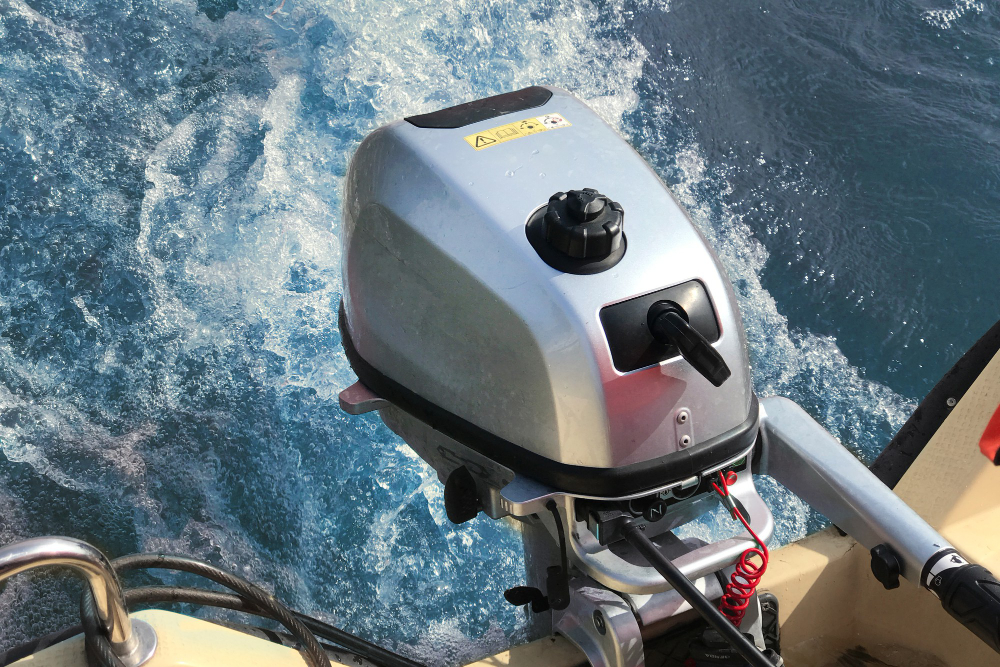
Mechanical failure on the water can turn a routine outing into an expensive setback within minutes. Many boat owners ask, does boat insurance cover the motor, especially when repair costs rise quickly. The answer depends on how the damage occurs and what your policy includes. Engine-related claims often fall into specific categories, and not every situation qualifies for reimbursement.
A clear understanding of coverage boundaries helps you avoid unexpected costs and choose protection that aligns with how you use and maintain your vessel.
When Boat Insurance Covers Motor and Engine Damage
Illinois boat watercraft insurance covers motor damage when it results from a sudden, external event. Policies are structured around accidental loss rather than internal failure. This distinction shapes how claims are evaluated.
Collision-related incidents represent one of the most common covered scenarios. If your boat strikes another vessel, submerged object, or dock, the resulting engine damage usually falls under collision coverage. In these cases, the policy may pay for repair or replacement, based on the selected limits and deductible.
Comprehensive coverage also plays a role in motor protection. Events such as storms, vandalism, or theft can damage engine components. When the cause falls outside your control, the policy may extend to the motor and related systems. This type of protection becomes especially relevant when the boat is docked or stored.
Coverage decisions depend on the cause, not just the damage itself. Insurers assess how the incident occurred before approving a claim.
Why Mechanical Breakdown is Usually Excluded
Standard boat policies do not treat engine failure the same way as accidental damage. Internal breakdowns, including worn parts or gradual deterioration, are typically excluded. This applies to issues such as overheating, corrosion, or lubrication failure.
Insurers classify these problems as maintenance-related rather than sudden loss. When an engine fails due to age or neglect, the financial responsibility remains with the owner. Even a major failure, such as a blown engine, may not qualify if no external cause is identified.
This distinction often surprises boat owners who assume all engine damage falls under their policy. In reality, coverage focuses on unpredictable events rather than long-term wear.
Situations Where Engine Damage May Still Qualify
Although mechanical breakdown alone is not covered, certain situations can still lead to a valid claim. The key factor is whether an external event triggered the damage.
Severe weather can lead to water intrusion or structural impact that affects the motor. In such cases, comprehensive coverage may apply because the cause originates outside the vessel. Similarly, if a collision damages both the hull and the engine, the entire loss may fall under a covered event.
Another scenario involves theft or vandalism. If someone damages or removes engine components, the policy may include those losses under comprehensive protection. These cases highlight how cause-based evaluation determines claim outcomes.
Boat owners who want broader protection sometimes explore additional endorsements. These policy add-ons may extend coverage to specific risks, including certain mechanical failures.
Understanding Coverage Types that Impact Motor Protection
Different forms of insurance products and coverage shape how motor-related claims are handled. Each type serves a distinct purpose and should be reviewed carefully.
Collision coverage focuses on impact-related damage. It applies when your boat comes into contact with another object and suffers physical harm. Engine damage tied to that impact is generally included.
Comprehensive coverage addresses non-collision events. This includes theft, vandalism, fire, and weather-related damage. Motor components affected by these incidents may fall under this category.
Liability coverage operates differently. It applies when you cause damage to another party. It does not pay for repairs to your own engine. This distinction becomes important during accident-related claims.
These differences highlight the importance of reviewing policy details. Not all coverage types address the same risks, and gaps can appear if policies are not aligned with actual usage.
How Coverage Limits Affect Engine Claims
Even when a claim qualifies, reimbursement depends on policy limits and valuation methods. These factors determine how much compensation you receive after a loss.
Actual cash value policies factor in depreciation. Older engines may receive lower payouts because their market value has declined. This approach can leave a gap between repair costs and claim settlement.
Agreed-value policies offer a different structure. The payout reflects a pre-determined amount set at the time of purchase. This can create more predictable outcomes, especially for newer or high-value vessels.
Deductibles also influence claim results. A higher deductible reduces premium costs but increases out-of-pocket expense during a claim.
Get Clear Answers and Reliable Coverage With RetireMax Insurance
At RetireMax Insurance, we take time to understand how you use your boat and what risks matter most. With us, you get direct answers, no broker fees, and a team that returns your calls when you need clarity. We review your coverage, explain how motor-related claims work, and help you avoid gaps that lead to costly surprises.
Reach out today and let us match your policy to your real-world boating needs.