

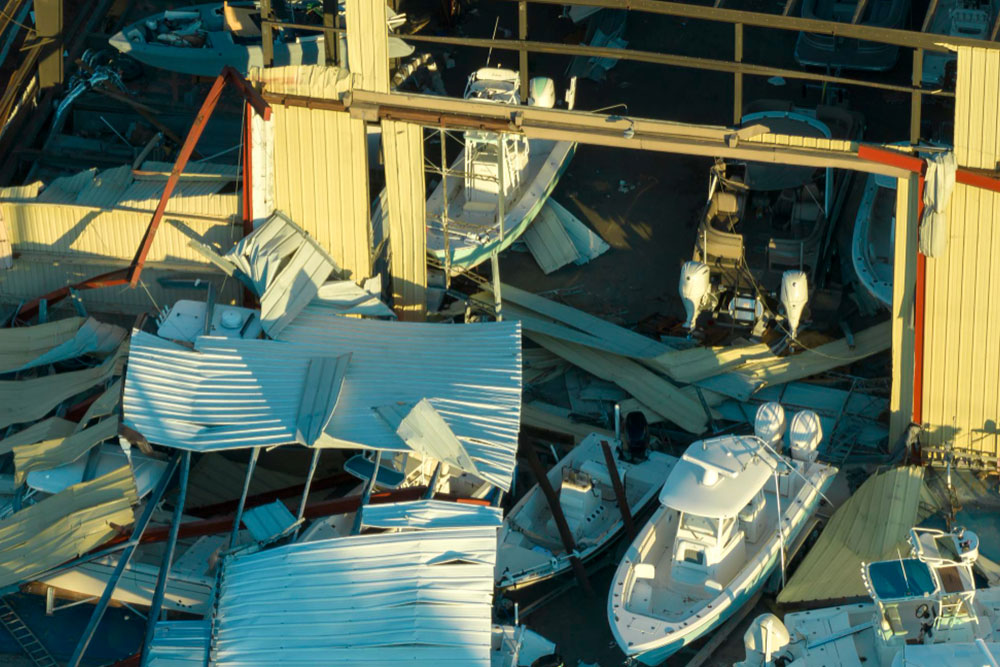
Hurricanes and severe storms regularly threaten coastal waters and inland lakes across the United States. Boat owners often ask a direct question before storm season arrives: does boat insurance cover hurricane damage and related losses.
The answer depends largely on the type of coverage included in a policy. Storms can cause collisions, sinking, fuel spills, and structural damage to vessels tied at docks or stored on land.
Understanding how storm-related protection works helps boat owners evaluate risk and compare policies such as Illinois boat watercraft insurance.
Why Hurricanes Pose Serious Risk To Boats
Storm systems bring strong winds, rising water levels, and debris that can damage boats in several ways. Even vessels secured at marinas face risk during severe weather.
High winds can break dock lines or push boats into nearby structures. Waves and storm surge can force vessels against seawalls or other boats. Flying debris often damages hulls, decks, and navigation equipment.
In many hurricane events, boats sink after taking on water or suffer extensive mechanical damage. Floodwater and saltwater intrusion can ruin engines and electrical systems.
Comprehensive Coverage and Storm Damage
Many boat insurance policies address storm damage through comprehensive coverage. This form of protection generally applies when a boat suffers damage from events outside the owner’s control.
Hurricanes, tropical storms, lightning strikes, and severe wind events usually fall into this category. If a policy includes comprehensive coverage, repair costs may qualify for reimbursement after the deductible.
For example, a storm may push a boat into a dock or seawall. In such a situation, comprehensive coverage may address repair expenses related to the hull or structural components.
Comprehensive policies may also apply if a vessel sinks due to storm conditions. Some policies include payment for wreckage removal when authorities require the owner to retrieve the sunken vessel.
What Happens With Liability Only Policies
Some boat owners choose liability only insurance. These policies focus on injuries or property damage caused to others while operating a vessel.
If a storm damages the insured boat, liability coverage alone usually does not address repair costs. Liability protection focuses on responsibility for harm caused to another person or property.
For instance, if high winds push a boat into another vessel during a storm, liability coverage may address damage to the other boat. However, repairs to the insured boat would typically remain the owner’s responsibility.
Additional Storm-Related Coverages
Many insurers offer additional coverage options that address specific risks linked to storms.
Fuel spill coverage addresses environmental cleanup when fuel leaks into surrounding water. Storm damage sometimes ruptures fuel systems or causes vessels to sink, which may release fuel into marinas or waterways.
Wreckage removal coverage may address the cost of retrieving a sunken vessel. Maritime regulations often require owners to remove submerged boats that obstruct navigation or create environmental hazards.
Some policies include full replacement cost coverage. Under this arrangement, the insurer may reimburse the cost of restoring a boat to its previous condition rather than calculating value after depreciation.
These options often appear among broader insurance products and coverage that boat owners review when comparing policies.
How Storm Damage Claims Usually Work
When a hurricane damages a boat, the claim process typically begins with documenting the loss. Owners report the incident and describe how the storm affected the vessel.
Insurance adjusters often inspect the boat or review photographs and repair estimates. The insurer evaluates policy terms, the cause of damage, and the extent of repairs required.
If the loss qualifies under the policy, the insurer calculates payment after applying the deductible. The deductible represents the portion of repair costs the boat owner must cover.
In cases where the vessel sinks or suffers extensive structural damage, the insurer may declare the boat a total loss. Payment then depends on the policy structure. Some policies reimburse the market value of the vessel, while others follow an agreed value arrangement set when the policy begins.
Geographical Limits Within Boat Policies
Many boat insurance policies include navigational limits that define where the vessel may operate. These limits specify the geographic region where coverage applies.
If a storm damages a boat outside the approved area, the policy may restrict coverage. For example, a policy may limit travel to inland lakes or coastal waters within certain distances from shore.
When hurricanes approach coastal regions, some boat owners move their vessels inland to reduce storm exposure. Policy terms may affect how coverage applies during relocation.
Reviewing navigational limits before hurricane season helps boat owners understand how their insurance applies in different locations.
Storm Preparedness and Insurance Considerations
Insurance plays an important role in financial protection, yet boat owners still face operational decisions during storm preparation.
Marinas often recommend relocating vessels away from open water before hurricanes arrive. Boats stored in dry docks or secure inland facilities face lower exposure to storm surge and wave damage.
Proper tie down procedures may also reduce damage during high winds. Many marina operators publish guidelines that outline recommended storm preparation methods.
While preparation reduces risk, severe storms may still cause damage beyond a boat owner’s control. Insurance therefore remains an important component of financial planning for vessel owners.
Cost Factors for Storm-Related Boat Insurance
The cost of boat insurance varies based on several factors related to risk exposure.
Location plays a major role in pricing. Boats located in hurricane prone coastal regions often carry higher premiums than vessels stored inland.
Boat size and value also influence insurance costs. Larger vessels require higher repair budgets and may involve more complex mechanical systems.
Usage patterns can affect pricing as well. Boats used year round or for offshore travel may face greater exposure to severe weather compared with vessels used occasionally on inland lakes.
Why Boat Owners Review Policy Details Carefully
Storm damage represents one of the most expensive risks associated with boat ownership. Hull repairs, engine replacement, and salvage operations can generate significant costs.
For this reason, boat owners often review policy terms carefully before finalizing coverage. Understanding deductibles, replacement options, and coverage limits helps owners evaluate potential financial exposure.
Many individuals also explore customized insurance solutions when aligning boat insurance with broader protection plans that include home, auto, or liability policies.
At RetireMax Insurance, we speak with boat owners who want clear answers about storm coverage and policy details. Our family-owned agency has worked with clients for more than thirty years, and we answer the phone when customers call.
If you want to understand how hurricane damage coverage works for your boat, we will review your situation and help you choose protection that fits your needs.