

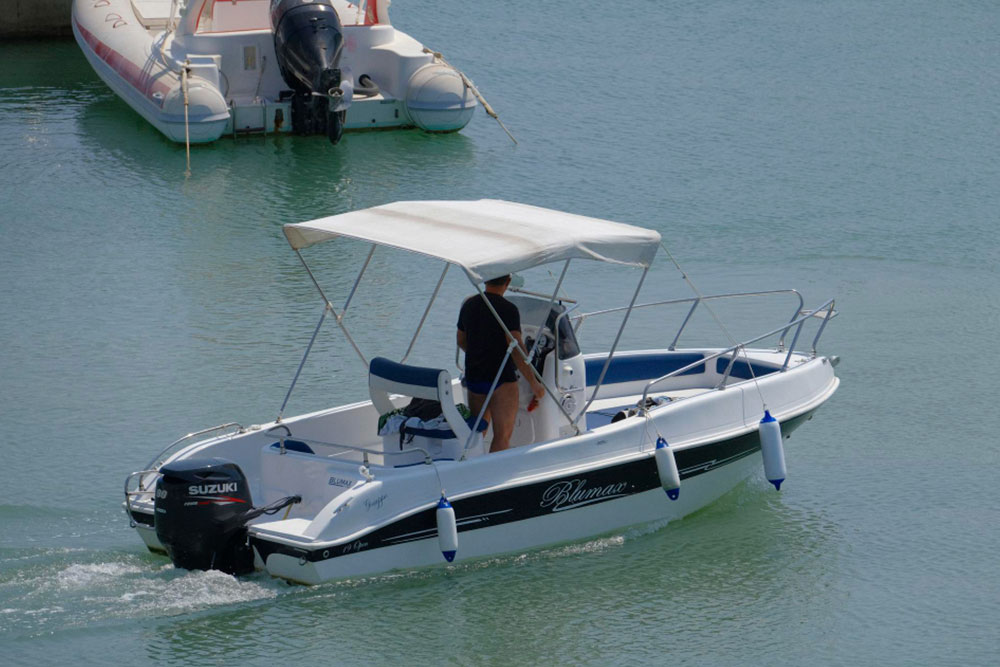
Operating a boat offers freedom and recreation, yet it also introduces legal and financial responsibility. Boat insurance liability addresses the risk of causing injury or property damage while operating a watercraft. Even a brief lapse in attention on the water can lead to costly claims, including medical expenses, vessel damage, or lawsuits.
Understanding how liability protection works helps boat owners protect their finances and navigate insurance decisions with confidence. For boaters researching options such as Illinois boat watercraft insurance, learning what liability coverage actually includes is a practical first step.
Understanding the Purpose of Boat Insurance Liability
Boat owners carry many responsibilities each time they leave the dock. Navigating waterways involves other vessels, swimmers, water skiers, docks, and marina structures. A mistake in any of these environments can cause damage or injuries that lead to legal claims.
Boat insurance liability addresses that financial exposure. Instead of paying out of pocket for damages caused to others, the policy responds up to the selected coverage limit. Liability protection focuses on the financial consequences of accidents involving third parties.
This type of coverage does not protect the boat itself. Instead, it protects the boat operator against claims that arise when another person experiences injury or property damage due to the operator’s actions. Courts often hold boat operators legally responsible when negligence plays a role in an accident. Liability coverage addresses those situations.
The Two Main Components of Boat Liability Coverage
Boat insurance liability generally includes two primary forms of protection. Each addresses a different type of claim that may arise from a boating accident.
- Bodily Injury Liability
Bodily injury liability addresses injuries sustained by other individuals during a boating incident. These individuals may include passengers, swimmers, people on nearby boats, or water skiers.
For example, a boat operator may accidentally strike a swimmer near a marina. Another situation may involve a water skier injured during towing. Courts may determine that the operator’s actions contributed to the incident. Bodily injury liability addresses medical expenses that result from those injuries.
Typical costs covered under bodily injury liability include hospital treatment, ambulance transportation, rehabilitation services, and related medical bills. Some policies also address legal defense costs if the injured party files a lawsuit.
Accidents involving injuries often involve complex legal and financial consequences. Liability protection helps boat operators handle these expenses without facing overwhelming personal financial loss.
- Property Damage Liability
Property damage liability addresses damage caused to another person’s property during a boating incident. Waterways contain many structures and vessels that may suffer damage during a collision.
A boat may strike another vessel while docking or navigating a crowded marina. The operator may accidentally damage a pier, dock, or shoreline structure. These incidents frequently result in costly repairs.
Property damage liability helps pay for repair or replacement expenses up to the coverage limit. In certain situations, the policy may also address costs related to fuel spills or boat removal if a vessel sinks following an accident.
Watercraft accidents sometimes occur in seconds. Even experienced operators can face unexpected hazards such as crowded waterways or limited visibility. Property damage liability addresses the financial consequences when damage occurs.
What Boat Liability Coverage Does Not Include
Boat insurance liability protects against claims from others, but it does not cover every situation involving a boat.
Most importantly, liability coverage does not repair or replace the insured boat after an accident. Separate coverage types handle those expenses.
Boat owners often add comprehensive or collision coverage to protect their own vessel. Collision coverage addresses damage resulting from impact with another object. Comprehensive coverage addresses events such as theft, fire, vandalism, or severe weather.
Understanding this distinction prevents confusion when reviewing a watercraft policy. Liability addresses damage or injuries caused to others. Other policy sections address damage involving the boat itself.
Understanding Boat Liability Coverage Limits
Boat insurance policies allow owners to select a liability coverage limit. This limit represents the maximum amount the insurer will pay for a covered claim.
Coverage limits vary widely depending on the insurer and policy structure. Some policies begin at modest limits, while others allow protection reaching one million dollars or more.
Choosing a liability limit requires careful thought. Boat owners often consider their total assets when making this decision. Savings, property value, vehicles, and investment accounts all represent assets that may face risk during a liability lawsuit.
If damages exceed the selected liability limit, the boat owner may remain personally responsible for the remaining costs. For this reason, many individuals select higher coverage limits than the minimum requirement.
The price difference between lower and higher liability limits sometimes remains smaller than expected. Reviewing available options with an insurance professional can clarify the financial implications of different coverage levels.
Boat Insurance Requirements and Practical Considerations
Boat insurance requirements differ across the United States. Only a few states mandate boat insurance by law. Many boat owners assume this means insurance is unnecessary.
However, practical considerations often lead owners to purchase coverage anyway.
Marinas frequently require liability coverage before allowing a vessel to dock. These facilities face their own financial risk if boats cause damage to docks or other vessels. Liability coverage protects both the boat owner and the marina environment.
Lenders may also require insurance when financing a boat purchase. Financial institutions want protection for the asset tied to the loan.
Even when legal requirements remain minimal, the financial risk of boating accidents remains significant. Liability coverage addresses those risks in a straightforward way.
How Liability Coverage Fits Into a Complete Insurance Strategy
Boat insurance works best when it forms part of a broader risk management approach. Watercraft policies often include several components designed to address different exposures.
Liability coverage protects against claims involving injuries or property damage to others. Collision coverage addresses damage resulting from accidents involving the insured vessel. Comprehensive coverage handles risks such as theft, fire, and weather damage.
Additional policy features may address towing services, personal property on board, or uninsured boaters.
Boat owners often review multiple insurance products and coverage when designing a protection strategy that fits their lifestyle. Insurance planning rarely involves a single policy. Instead, it often includes a coordinated approach across home, auto, business, and recreational assets.
Why Personalized Insurance Guidance Matters
Insurance policies often appear similar on the surface, yet small differences in coverage terms may significantly affect how claims are handled.
Boat owners sometimes focus only on price when selecting coverage. That approach may overlook important details involving liability limits, exclusions, and policy features.
Discussing insurance needs with experienced professionals can clarify these differences. Guidance often helps boat owners align coverage levels with their personal financial situation.
Many boat owners also prefer a broader strategy involving customized insurance solutions designed around their complete risk profile. Recreational assets such as boats frequently intersect with homeownership, vehicle coverage, and personal liability considerations.
Boat Liability Coverage and Financial Protection
Boating offers recreation and enjoyment, yet it also carries responsibility toward others on the water. Accidents involving vessels, docks, swimmers, or passengers may lead to significant financial claims.
Boat insurance liability addresses those risks by covering injuries and property damage for which the boat operator becomes legally responsible. The coverage does not repair the insured boat itself, but it protects the owner’s finances against lawsuits and claims.
Selecting appropriate liability limits helps safeguard personal assets when unexpected incidents occur on the water. Understanding how this coverage works allows boat owners to make informed decisions before launching their vessel.
At RetireMax Insurance, we work directly with boat owners who want clear guidance about liability coverage and watercraft protection. As a family-owned agency serving clients for over thirty years, we focus on real conversations and responsive communication.
If you have questions about boat insurance liability or broader coverage planning, our team will walk through the options and help you choose coverage that fits your situation.