

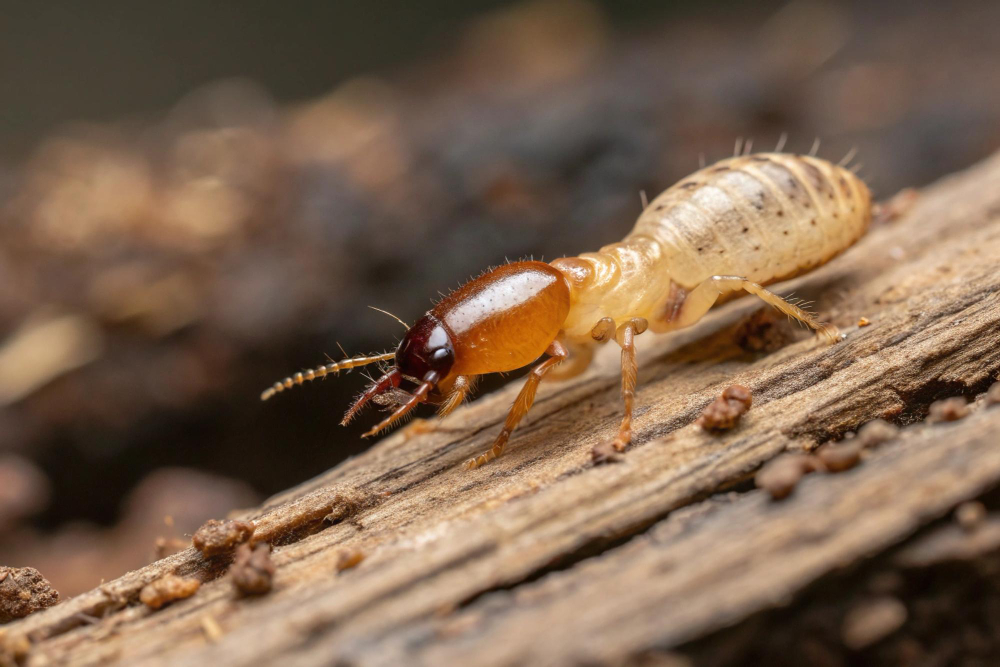
Termite infestations cause billions of dollars in property destruction every year across the country because these insects consume structural supports without clear or early warning signs. A standard homeowners policy usually classifies this issue as a preventable maintenance concern rather than a sudden or accidental loss.
Most insurance companies expect homeowners to schedule routine inspections and manage pest control as part of normal property care. For that reason, “Will home insurance cover termite damage?” is a question that often leads to claim denials for many property owners.
RetireMax Insurance agents review your specific needs to find the most effective Illinois home insurance coverage options for your family. Our team takes pride in our local expertise, and we work hard to secure your financial future against unexpected disasters. We simplify the process of choosing a policy so you feel confident in your choices and your future safety.
Understanding Homeowners Insurance Policies for Termite Issues
Standard homeowners insurance contracts outline which risks qualify for coverage and which responsibilities remain with the property owner. Most policies focus on sudden events such as fires or wind damage that create immediate and visible structural harm.
Termites damage wood slowly over extended periods and often remain hidden behind walls or beneath flooring. Insurers classify these insects as a foreseeable risk that homeowners must address through routine inspections and consistent property maintenance.
What Does Home Insurance Typically Cover?
A basic homeowners policy protects the physical structure from named perils like lightning strikes or falling tree limbs. These policies also include liability protection for visitors and coverage for personal belongings inside the home.
Insurance carriers usually pay for repairs when a pipe bursts unexpectedly or a break-in damages doors or windows. These losses happen abruptly and differ significantly from gradual deterioration caused by insects or age.
Termite Damage vs. Standard Home Repair Coverage
Standard repair coverage applies to accidental losses, while termite destruction falls under the category of long-term property wear and tear. A fallen roof from a storm qualifies for a claim because the event occurs at a single and definite moment.
Termites eat through wooden beams for months before a floor sags or a wall shows signs of any real structural weakness. This gradual process means the repair costs fall on the homeowner because the policy lacks a provision for slow insect infestations.
Why Termite Damage Is Often Excluded From Coverage
Insurance companies exclude termite damage because they view infestations as preventable through proper home care and regular professional inspections.
Industry data shows pest damage develops gradually and does not meet the definition of an unavoidable accident. Insurers expect property owners to treat soil, wood, and moisture issues once early warning signs appear. These exclusions help keep premiums more affordable by separating routine maintenance costs from insured losses.
Key Factors That Impact Termite Damage Coverage
Policy Type
The contract form determines whether any endorsements address wood-destroying organisms. Most basic policies clearly exclude termite damage, though some premium policies include narrow riders tied to structural collapse caused by insects. Each insurer uses different policy language, making careful review of exclusions essential.
Source Cause
The origin of the problem matters because a secondary event might trigger a valid claim under very specific circumstances. If a covered fire weakens a wall and termites later enter that specific spot, the situation becomes much more difficult to evaluate. Adjusters look at the primary cause of the loss to see if a covered peril initiated the chain of events.
State Laws
Local regulations influence how companies write their exclusions and what specific disclosures they must share with every new policy applicant.
Some regions require clear warnings about the lack of pest coverage to prevent any confusion during the actual claims process. These rules vary by location and affect the legal rights of every person who owns a home in that area.
How to Prevent Termite Damage Before It Occurs
Effective prevention starts with removing wood debris and firewood from areas near the foundation. Homeowners should repair outdoor leaks and clear gutters to reduce moisture that attracts termite colonies.
Annual professional inspections can identify early signs such as mud tubes or discarded wings. Preventive care costs far less than replacing load-bearing beams or repairing widespread structural damage.
The Benefit of Maintenance in Termite Insurance Claims
Maintenance records show that a homeowner takes reasonable steps to protect the property from common environmental risks.
While documentation does not eliminate exclusions, it may help clarify whether sudden damage resulted from another issue. Keeping pest inspection receipts establishes a history of responsible care. Clear records support discussions with adjusters if a dispute arises.
How Home Insurance Handles Pest Infestations
Pest infestations generally remain outside the scope of standard protection because carriers view them as a natural part of home ownership. This rule applies to termites, bed bugs, mice, and most other creatures that move into a building over a period.
Insurance exists to help with disasters that an owner cannot predict or stop through simple and routine household chores. Treating for pests remains a standard part of a home budget, just like painting the exterior or cleaning the carpets.
Steps to Take if You Discover Termite Damage
Identify Scope
Hire a licensed inspector to check the entire foundation and all support beams for signs of active insect tunnels. This professional determines the size of the colony and identifies every location where wood shows significant loss of its original strength. A full report provides the facts needed to plan a repair strategy and stop the insects from eating more wood.
Stop Infestation
Chemical barriers or bait stations eliminate the current colony and prevent new insects from entering the structure from the nearby soil. Professionals apply these treatments around the perimeter to create a shield that stays effective for several years at a time. This step is vital because structural repairs fail if the insects remain inside the wood and continue their slow destruction.
Repair Wood
Contractors must replace every damaged beam with pressure-treated lumber that resists future attacks from pests and common wood rot. Patching over the holes does not restore the safety of the house, so the work must address the core structure.
Contact Agent
Call the insurance office to discuss the situation, even if the policy likely excludes the specific cause of the damage. An agent explains the language of the contract and confirms if any hidden riders or special provisions apply to the loss. This conversation brings clarity to the situation and helps the owner decide on the next best financial move.
Can You Add Termite Damage Coverage to Your Policy?
Most standard companies do not offer an add-on for termites, but some specialty insurers provide separate bonds for pest protection. These bonds function like a mini-insurance policy that covers the cost of future treatments and repairs if insects return.
Homeowners must pay a separate fee for this service and maintain a contract with a professional pest control firm. This option provides a safety net for people who live in areas with high levels of termite activity.
What to Do if Your Claim for Termite Damage Is Denied
Review the denial letter carefully to see which specific exclusion the company cites as the reason for rejecting the claim. If the damage resulted from a different covered event, like a plumbing leak, gather evidence to show that connection clearly.
You can hire a public adjuster to provide a second opinion on the cause of the loss and the total repair cost. Seeking legal advice is also an option if the language in the policy seems vague or misleading.
Call RetireMax Insurance Today to Secure the Best Homeowners Insurance Policies Illinois Residents Rely On
RetireMax Insurance has operated as a family business for over thirty years, and we never charge hidden broker fees to clients. Jen holds the title of Chicago Southland’s Best Insurance Agent for three consecutive years because she puts people first. We offer the best homeowners insurance policies in illinois families need to protect their houses and their hard earned peace of mind.
Our team helps find great rates on auto, life, health, and Medicare plans that fit a specific budget. You receive honest service from a trusted home insurance agency in Illinois that values clear communication and long-term local relationships. We represent an authorized AARP agency and help you save money on pet, business, and even commercial trucking insurance.
Call our office now to speak with a friendly expert and receive your free price quote without any delay.