

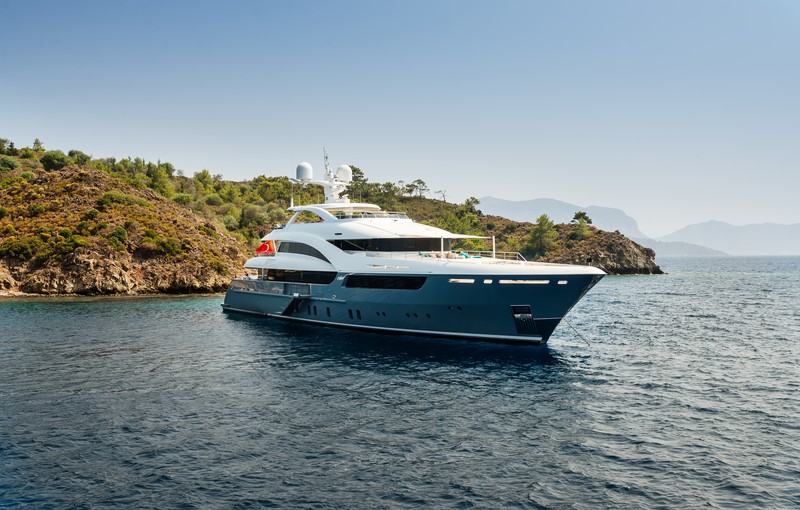
Commercial boat insurance protects vessels used for income-generating activity, from charter fishing to water taxis, in ways a personal watercraft policy never will.
Coverage for the hull, motor, cargo, and crew all figure into the total picture, and matching a policy to how a boat is actually used prevents costly gaps later.
Running a business on the water carries a different set of risks than taking a boat out for a weekend on the lake. So what does commercial boat insurance actually cover, and how does it differ from the personal Illinois boat watercraft insurance most recreational owners carry?
The short version is that any vessel used to generate income, through charters, tours, fishing operations, or transport, needs a policy built around commercial use rather than a personal policy stretched past its intended purpose.
Why Commercial Use Changes the Insurance Equation
Personal boat insurance is generally structured around recreational use. The typical policy assumes the owner and guests are enjoying the vessel rather than paying customers or employees performing work aboard it.
That changes as soon as the boat begins generating revenue. A charter fishing trip, sightseeing excursion, or commercial transportation service creates additional liability concerns that a recreational policy may not be designed to handle.
Paying passengers increase the potential for bodily injury claims, while employees or hired crew can create additional obligations, including questions surrounding workers’ compensation. Businesses transporting merchandise or equipment also face risks involving the cargo itself.
Commercial insurers account for these differences when evaluating a vessel. A boat used regularly for business may carry more passengers, spend more time on the water, and have more financial exposure than a privately owned recreational vessel.
Who Actually Needs a Commercial Policy
Businesses that use boats for commercial purposes generally need insurance that reflects those activities. This can include charter fishing operators, sightseeing and tour companies, water taxi services, dive businesses, commercial fishing operations, and companies that transport goods or equipment by water.
Seasonal businesses are not necessarily exempt. A boat that operates paid fishing charters only during part of the year may still require commercial coverage rather than a personal policy with occasional business use added to it.
Illinois businesses operating along the Chicago waterfront, Illinois River, or surrounding waterways may encounter a combination of recreational and commercial traffic. Properly identifying the boat’s business use helps ensure the insurance reflects the actual risks associated with its operation.
The Core Pieces of a Commercial Boat Policy
Commercial boat insurance can combine several types of coverage to address the different risks associated with running a business on the water.
Hull coverage protects the physical vessel against covered losses such as collisions, storms, fire, and other specified hazards. The policy terms determine which causes of damage are covered and what exclusions or deductibles apply.
Protection and indemnity, or P&I, coverage provides liability protection for claims involving passengers, crew members, or other third parties. It can play a critical role when an accident results in bodily injury or property damage.
Cargo coverage can protect goods, merchandise, or equipment being transported by the vessel. This is particularly relevant for businesses whose operations depend on moving property from one location to another.
Pollution liability coverage can address certain costs associated with fuel spills and other pollution incidents. Even a relatively small spill can lead to cleanup expenses and regulatory obligations, making this coverage an important consideration for many commercial operators.
The specific coverages available and their limits depend on the insurer, vessel, business activities, and policy terms.
Protecting the Engine and What Powers the Business
For most commercial operators, the motor represents one of the most expensive components on the boat, and it is also one of the most frequently damaged.
Reviewing how engine and motor coverage applies under a commercial policy matters because engine failures, from a mechanical breakdown, a collision, or water intrusion, can sideline a business for weeks without the right protection in place.
A charter operation that loses its engine mid-season without coverage to fund a fast repair loses income every single day the boat sits at the dock.
Theft and Vandalism Risks Unique to Commercial Vessels
Commercial boats spend more time docked, moored, or stored than most recreational vessels, which increases exposure to theft and vandalism.
Realizing how vandalism and theft coverage works within a commercial policy helps operators protect not just the vessel itself but the equipment, electronics, and gear stored aboard between trips.
A marina slip in a busy area may carry different theft exposure than a private dock, and pricing often reflects that difference.
Seasonal Operations and Coverage Gaps
Commercial boating businesses in Illinois often operate seasonally because winter weather can make regular water operations impractical.
Some commercial policies include lay-up provisions that adjust coverage while a vessel is out of service during the off-season. Depending on the policy, an owner may be able to reduce certain operating-related costs while retaining protection against risks such as theft, fire, or weather damage during storage.
However, these arrangements vary between policies. Operators should not assume coverage automatically changes simply because the boat is no longer being used.
Reviewing the policy’s lay-up requirements before winter storage begins can help prevent misunderstandings about what protection remains in effect while the vessel is inactive.
Matching Coverage Limits to Business Reality
Underinsuring a commercial vessel is one of the more common and costly mistakes operators make. A policy priced to match the boat’s value five years ago may fall short of current replacement costs, especially with equipment and material prices shifting the way they have recently.
Liability limits deserve the same scrutiny, particularly for operations carrying passengers, since a single serious incident involving a paying customer can quickly exceed a limit that felt generous when the policy was first written.
Building a Policy Around How the Business Actually Runs
At RetireMax Insurance, we take the time to walk through exactly how a commercial vessel operates before recommending coverage. That’s because a charter fishing boat, a water taxi, and a small cargo operation all carry different exposures even if the hulls look similar sitting at the dock.
Timing matters here too. The best time to review a policy is before the season starts, not after a claim exposes a gap that could have been closed with a five-minute conversation months earlier.
We have spent more than thirty years helping business owners across the Chicago Southland get coverage right the first time, and that includes operators running boats as part of their livelihood.
As a family-owned agency with no broker fees, we build policies around the season, the route, and the passengers a vessel actually carries, not a generic template pulled from a filing cabinet.
If you have any questions about commercial boat insurance, don’t hesitate to contact RetireMax Insurance before your next season gets underway.
Frequently Asked Questions
Can I add commercial coverage to my existing personal boat policy instead of switching entirely?
Some insurers offer endorsements for limited commercial use, but most true commercial operations require a separate policy built specifically for business exposure, passenger liability, and crew coverage.
Does commercial boat insurance cover fishing gear and onboard equipment?
Many policies allow scheduled equipment coverage for items like fishing gear, electronics, and navigation systems, though limits and inclusions vary by insurer and should be confirmed directly.
What happens if I use my personal boat for occasional paid trips without commercial coverage?
An insurer can deny a claim entirely if it determines the vessel was being used commercially without the proper policy in place, leaving the operator responsible for the full cost of any loss.