

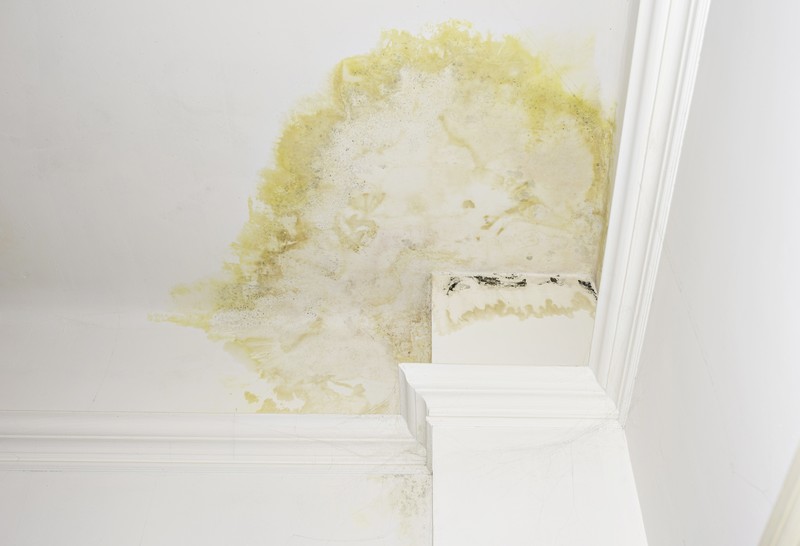
Homeowners insurance typically covers roof leaks caused by sudden events like storms or falling branches, but it draws a firm line at leaks caused by age, neglect, or wear. Knowing which category a leak falls into before filing a claim saves time and prevents a denial that catches homeowners off guard.
A stained ceiling or a slow drip during a rainstorm is enough to make any homeowner nervous, and the first question that comes to mind is usually does home insurance cover roof leaks.
The answer depends heavily on what caused the leak in the first place, and that distinction shapes everything about how a claim gets handled under your Illinois home insurance policy.
Sudden Damage Versus Slow Deterioration
Insurance companies generally distinguish between unexpected damage and problems that develop gradually over time.
A windstorm that tears shingles from the roof or a tree limb that falls onto the house can create sudden damage that leads to a covered leak. These events occur unexpectedly, and standard homeowners policies often cover the resulting loss when the cause is a covered peril.
A leak caused by years of aging, deteriorated roofing materials, or inadequate maintenance falls into a different category. Wear and tear and gradual deterioration are generally excluded from homeowners insurance coverage.
When an adjuster examines the roof, physical evidence can help determine how the damage occurred. Brittle, cracked, or curled shingles that show prolonged deterioration may indicate an aging roof. Missing or torn shingles following a documented windstorm may point to a sudden weather-related loss.
The cause of the damage can ultimately determine whether the claim falls within the policy’s coverage.
What Illinois Weather Adds to the Picture
Illinois roofs face a variety of weather conditions throughout the year. Strong winds, hail, heavy rain, and severe spring storms can all place significant strain on roofing materials.
One complication arises when storm damage does not produce an obvious leak right away. Hail or wind may damage roofing materials during a storm, while water intrusion does not become noticeable until weeks or months later.
Documentation can become particularly valuable in that situation. Taking photographs of visible storm damage soon after an event creates a record of the roof’s condition. If a leak develops later, those photos may help establish a connection between the weather event and the subsequent damage.
Maintenance Matters More Than Most Homeowners Realize
Homeowners have a responsibility to take reasonable care of their property, and the roof is no exception.
Regular maintenance can include removing accumulated debris, addressing minor damage promptly, monitoring areas that show deterioration, and replacing roofing materials when they reach the end of their useful life.
A leak resulting from years of neglected maintenance can receive very different treatment from one caused by a single severe storm. Even if both situations produce the same water stain inside the house, the underlying cause matters when an insurer evaluates the claim.
Questions about maintenance and deterioration can become especially important during a roof inspection. This is why keeping records of repairs, inspections, and improvements can be helpful.
Condos and Townhouses Add Another Layer
Roof coverage gets more complicated for homeowners in shared buildings. Depending on how a building is structured, the roof itself may fall under a master association policy rather than an individual owner’s policy, while interior damage from a leak remains the owner’s responsibility.
Reviewing the differences in townhouse and condo insurance helps clarify exactly where the line falls between what the association covers and what an individual policy needs to pick up.
What to Do the Moment a Leak Appears
Once you discover a roof leak, take reasonable steps to limit additional damage. Place a bucket or another suitable container beneath the leak and move furniture, electronics, and other vulnerable belongings away from the affected area when possible.
Next, document what you see. Photos and videos of the ceiling, water intrusion, damaged belongings, and visible roof damage can create a useful record for your insurer.
Contacting your insurance agent promptly can also help you understand the next steps before making major repairs. A delay may give the damage more time to spread and could lead to questions about whether reasonable steps were taken to prevent additional loss.
Do not assume that a leak is covered or excluded based solely on how it looks inside the home. The cause needs to be evaluated against the policy’s terms.
Talking to Someone Who Knows Your Roof and Your Policy
A leak claim is rarely a simple yes-or-no situation, which is exactly why having a relationship with knowledgeable Illinois insurance agents matters.
An agent who already knows your home’s age, roofing material, and claims history can help you sort through the likelihood of a covered loss long before an adjuster ever shows up.
Protecting the Cost of a Roof Before It Becomes a Bigger Bill
At RetireMax Insurance, we look at roof coverage as one of the areas where a small conversation now, walking through your roof’s age, materials, and history, prevents a much larger cost later.
A roof replacement runs into the thousands of dollars, and the difference between a covered claim and a denied one comes down to details that were never reviewed until it was too late.
We would rather walk a client through their roof coverage during a policy review than have them discover a gap the day water starts coming through the ceiling.
We have spent more than thirty years helping families across the Chicago Southland understand what their coverage actually protects, and roof damage is one of the most common reasons a homeowner ends up calling us in the first place.
As a family-owned agency with no broker fees, we build every policy with the real cost of a roof repair in mind, not just the premium on the page.
If you have any questions about roof leak coverage, we would love to hear from you at RetireMax Insurance. Reach out to us today.
Frequently Asked Questions
Does homeowners insurance handle roof leaks from ice dams in the winter?
Most policies can handle damage from ice dams, though repeated ice dam issues tied to poor attic insulation or ventilation may be viewed as a maintenance problem instead.
Will filing a roof leak claim raise my premium?
It depends on the cause and your claims history. A single storm-related claim typically has less impact than repeated claims tied to ongoing maintenance issues.
How old can a roof be before an insurer refuses to cover leak damage?
There is no universal age cutoff, but many insurers apply closer scrutiny to roofs beyond fifteen to twenty years old, and some require an inspection before renewing coverage on an older roof.
A recent roof replacement, on the other hand, can sometimes lower your premium since it reduces the likelihood of a future claim.