

Quick Summary
RV insurance and car insurance share several core protections, yet they are built for very different ownership experiences. Recreational vehicles combine transportation with temporary living space, creating risks that standard automobile policies may not fully address. Coverage for personal belongings, campsite liability, specialized equipment, and extended travel use can make RV insurance substantially different from traditional car insurance in both scope and structure.
RV insurance vs. car insurance becomes increasingly important as recreational vehicles continue to attract travelers looking for flexibility, comfort, and adventure on the road. While both types of policies are designed to help with financial losses stemming from covered incidents, the nature of an RV introduces responsibilities and exposures that go beyond what drivers typically encounter with a passenger vehicle.
Insurance decisions become easier when owners understand how coverage is structured around the way a vehicle is used, the risks it faces, and the value it carries beyond transportation alone. Exploring these differences can help narrow down suitable coverage choices, and professional guidance can make those decisions more straightforward when comparing available options.
An RV Serves a Different Purpose than a Car
A passenger vehicle is primarily designed to transport people from one location to another, which means insurance policies are generally centered on driving-related risks such as accidents, theft, weather damage, and liability claims. The focus remains on vehicle operation because the automobile itself rarely functions as anything more than a mode of transportation during daily use.
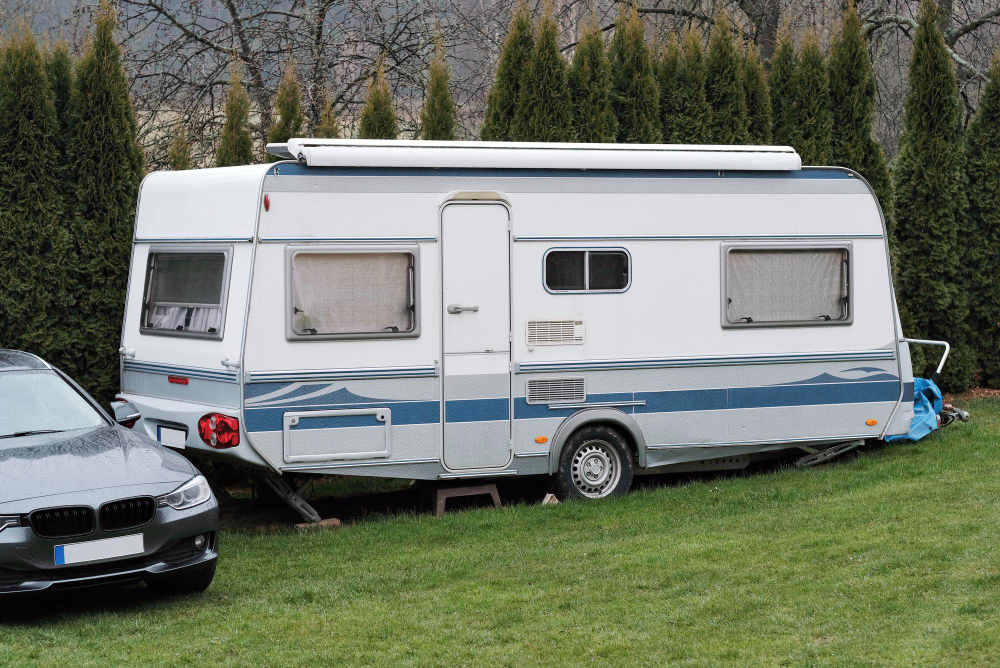
An RV introduces an entirely different ownership experience because it can serve as transportation, temporary accommodation, storage space, and even a home away from home during extended trips. Since the vehicle performs multiple functions throughout a journey, insurers evaluate a wider range of risks that may arise while driving, parking, camping, or occupying the recreational vehicle.
Coverage Structures are Not Exactly the Same
Car insurance typically revolves around liability, collision, comprehensive coverage, uninsured motorist protection, and medical-related options depending on state requirements and policy selections. These protections address many common driving scenarios and form the foundation of coverage for millions of vehicle owners across the country.
Illinois RV insurance generally includes many of those same protections, yet additional layers may be available because recreational vehicles contain living quarters, appliances, furniture, and specialized components. Coverage considerations expand beyond simple transportation concerns, reflecting the broader role an RV plays during travel and recreational activities.
Personal Belongings Create Additional Insurance Considerations
Items carried inside a passenger vehicle are usually limited to everyday possessions, making personal property a relatively minor factor when comparing automobile insurance policies. Although certain belongings may have protection through other insurance arrangements, car insurance itself is not primarily structured around safeguarding personal possessions stored inside the vehicle.
Recreational vehicles frequently carry electronics, cooking equipment, clothing, outdoor gear, tools, and other valuable items that remain inside during lengthy trips. Because these belongings may represent a meaningful financial investment, RV policies can address exposures associated with property that travels with the owner throughout various destinations and camping experiences.
Liability Risks Extend Beyond the Road
Liability coverage remains one of the most important elements in both policy types because accidents involving injuries or property damage can lead to substantial financial consequences. Whether someone is driving a sedan or a motorhome, liability protection helps address claims that arise when another party experiences covered losses.
RV ownership introduces scenarios that may have little connection to driving because recreational vehicles are commonly parked and occupied for extended periods. Activities taking place at campsites, RV parks, or vacation destinations can create liability exposures that differ considerably from those associated with ordinary automobile ownership.
Repair Costs Can Look Very Different
Repairing a passenger vehicle generally involves components related to transportation, including body panels, engines, transmissions, suspension systems, and safety technology. While modern automobiles can still be expensive to repair, the repair process is usually focused on restoring driving functionality and appearance after covered damage occurs.
An RV combines vehicle mechanics with residential-style systems, creating a more complex repair environment whenever damage affects the unit. Plumbing components, electrical systems, slide-outs, generators, climate-control equipment, and built-in appliances can increase both repair complexity and the overall scope of a claim following a covered incident.
Usage Patterns Influence Insurance Decisions
Many passenger vehicles are driven regularly throughout the year, creating relatively consistent exposure to traffic-related risks and daily commuting conditions. Insurance companies evaluate these patterns when determining premiums because mileage, location, and driving habits contribute to the likelihood of future claims.
Recreational vehicles may spend significant portions of the year in storage before being used for vacations, seasonal travel, or long-distance road trips. These unique usage patterns create a different risk profile, which is one reason insurers approach RV coverage differently than traditional automobile insurance.
Full-Time RV Living Changes Coverage Needs
Some owners use recreational vehicles exclusively for leisure travel, while others embrace a lifestyle in which the RV becomes a primary residence for months or even years at a time. This distinction matters because living in an RV introduces responsibilities that extend beyond the scope of occasional recreational use.
Coverage needs can shift substantially when an RV serves as a permanent living space because personal property, liability concerns, and day-to-day residential activities become more significant. Insurance solutions designed for full-time RV living recognize these circumstances and account for risks that standard automobile policies were never intended to address.
Discover Coverage Guidance Designed Around Your Needs
Questions about recreational vehicle coverage can arise when comparing policy options or evaluating protection for changing travel habits. Contact us today at RetireMax Insurance, and our team can help explore insurance solutions that align with your RV ownership goals and lifestyle.
FAQs
Is RV insurance required if I already have car insurance?
No. Recreational vehicles generally require separate coverage because their risks and coverage needs differ from standard automobiles.
Does RV insurance cover personal belongings?
Many policies include protection for belongings carried inside the RV, though coverage limits and conditions vary.
Can full-time RV owners use standard car insurance?
Standard car insurance is usually not designed to address the broader exposures associated with full-time RV living.