

The cost of dental practice insurance depends on far more than the size of the premium on a quote. Practice location, number of employees, office size, equipment values, procedures performed, and the types of coverage selected can all affect what a dental practice pays.
Combining compatible coverages, evaluating professional liability exposure, and reviewing insurance as the practice changes can help owners manage both costs and potential gaps.
Treating insurance as a fixed expense can make it easy to overlook changes in risk, leaving a growing practice either paying for unnecessary protection or carrying less coverage than it needs.
A dental practice faces financial risks every day. Expensive equipment, patient care, employees, electronic records, and the physical office itself all create potential exposures. So, how much does dental practice insurance cost, and what factors determine the final price?
There is no single premium that applies to every dental office. Insurers consider the practice’s size, location, services, claims history, and other characteristics when determining rates. A policy designed around the way your practice actually operates can therefore be more useful than a standardized package.
Why Dental Practices Face Unique Insurance Needs
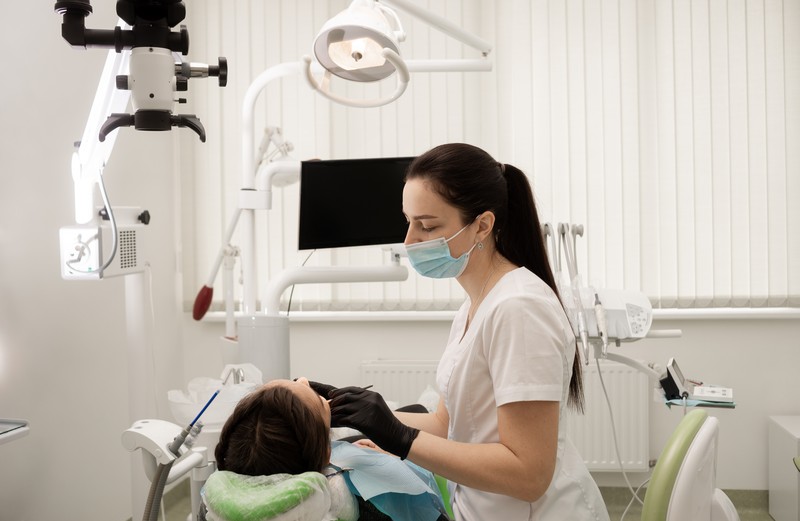
Dental offices have exposures that differ from those of many other small businesses. Operatories, dental chairs, imaging systems, sterilization equipment, computers, and other specialized technology can represent a substantial financial investment.
That property needs protection against risks such as fire, theft, certain types of damage, and equipment-related losses. At the same time, dentists face professional liability risks arising from the care they provide to patients.
Other exposures can affect the practice as well. A patient could be injured on the premises, confidential patient information could be compromised, or an employee could suffer an injury at work. A general business policy may address some of these risks but may not provide all the specialized protection a dental practice requires.
What Drives the Price of a Dental Insurance Policy
Several variables can affect the amount a dental practice pays for insurance.
Practice size is one consideration. A larger office with more operatories generally has more property and equipment to insure than a small solo practice.
Employee count can also influence costs. A practice employing multiple dentists, hygienists, assistants, and administrative staff may have different workers’ compensation and liability exposures than a dentist operating with a single employee.
Location is another factor. Insurance pricing can vary based on local exposure to risks such as severe weather, property crime, and liability claims.
The services and procedures offered can have an especially significant effect on professional liability premiums. A general dentist may face a different level of malpractice exposure from an oral surgeon performing more complex or invasive procedures.
An insurer may also consider other factors, including claims history, coverage limits, deductibles, and the specific characteristics of the practice.
The Central Coverages Behind the Premium
A comprehensive dental practice insurance program may include several different forms of protection.
General liability coverage can protect the practice against certain third-party bodily injury and property damage claims. For example, it may apply if a patient slips and is injured in the office.
Professional liability insurance, often referred to as dental malpractice insurance, addresses claims arising from professional services and patient care. This coverage is particularly important because allegations involving treatment can result in substantial legal and financial consequences.
Commercial property coverage can protect the physical location, when applicable, along with furniture, equipment, supplies, and other business property.
Business interruption coverage can help replace certain lost income and cover eligible ongoing expenses when a covered event prevents the practice from operating normally.
Cyber liability insurance has become increasingly relevant as dental practices rely on electronic health records, digital billing systems, online scheduling, and other connected technologies. Depending on the policy, coverage may address certain costs associated with a data breach or cyberattack.
Employment practices liability coverage can address certain claims involving employment-related issues, including allegations surrounding hiring, termination, discrimination, harassment, or other workplace disputes.
The appropriate combination depends on the practice’s operations and the terms available from the insurer.
Bundling Coverage to Manage the Total Cost
Many practice owners see meaningful savings by bundling several of these coverages into a single business owner’s policy rather than purchasing each one separately. This approach is common across small businesses generally, not just dental offices.
A local restaurant, for example, faces its own distinct set of risks. Comparing how restaurant insurance bundles liability, property, and equipment breakdown coverage shows how differently priced risk can be packaged efficiently depending on the industry.
Reviewing the broader landscape of commercial insurance types available to Illinois business owners gives dental practice owners a clearer sense of which combinations actually fit their specific risk exposure instead of paying for coverage that does not match how the practice operates.
Malpractice Coverage and Why It Carries the Biggest Weight
Malpractice coverage typically represents the largest single piece of a dental practice’s insurance spend, and for good reason. Claims tied to patient care can carry legal costs, settlement amounts, and the reputational damage that dwarf almost any other risk a practice faces.
Claims-made policies and occurrence-based policies price differently and behave differently once a claim is filed years after a policy lapses, which makes the type of malpractice policy just as important as the coverage limit itself.
How Location and Growth Affect Pricing Over Time
A practice that expands, adds a new operatory, brings on an associate dentist, or opens a second location will see its coverage needs shift right along with it.
Insurance that fit a solo practice five years ago rarely still fits an office that has doubled its staff and equipment value since then. Practices that grow without updating their policy often discover the gap only after a claim exposes it.
Where a Local Agent Adds Real Value
Dental practice insurance is not something to price shop once and forget.
Working with an agent who knows Illinois commercial insurance and the specific exposures tied to dental practices means your policy actually reflects how your office operates today, not how it looked when the policy was first written.
A knowledgeable agent can also flag gaps before they become expensive lessons, like missing cyber coverage or an outdated equipment valuation.
Making Cost Decisions With a Clear Picture, Not Guesswork
The real cost of dental practice insurance is not just the premium on the invoice. It includes what happens if a gap in coverage leaves a practice exposed during a claim, and what it costs to rebuild trust with patients after a data breach or malpractice suit that was not fully covered.
Looking at total cost this way, rather than chasing the lowest premium alone, tends to protect a practice far better over the life of the policy.
A Straightforward Approach to Protecting What You Have Built
At RetireMax Insurance, we look at the total cost of coverage rather than just the number on the quote, because a cheap policy that leaves gaps ends up costing far more the day a claim comes in.
We have spent more than thirty years helping business owners across the Chicago Southland build coverage around how their practice actually operates, not around a generic template.
Our clients stay with us because we answer the phone and walk through changes as a practice grows, whether that means a new operatory, an additional associate, or a second location.
As a family-owned agency with no broker fees added to your premium, we build policies with the full financial picture in mind, not just the smallest number we can quote today.
If you have any questions about dental practice insurance costs, please contact RetireMax Insurance and we will talk through your options together.
Frequently Asked Questions
Is dental malpractice insurance required by law in Illinois?
Illinois does not mandate malpractice insurance for dentists by statute, but most hospitals, group practices, and professional associations require it as a condition of practicing or maintaining privileges.
Does dental practice insurance cover equipment breakdown, like a sterilizer or imaging machine failing?
Several policies include equipment breakdown coverage as an add-on or built-in feature, which pays for repair or replacement costs when covered equipment fails outside of normal wear.
How often should a dental practice review its insurance policy?
An annual review is a reasonable baseline, though any major change, like adding staff, equipment, or a new location, is a good reason to review coverage sooner rather than waiting for renewal.