

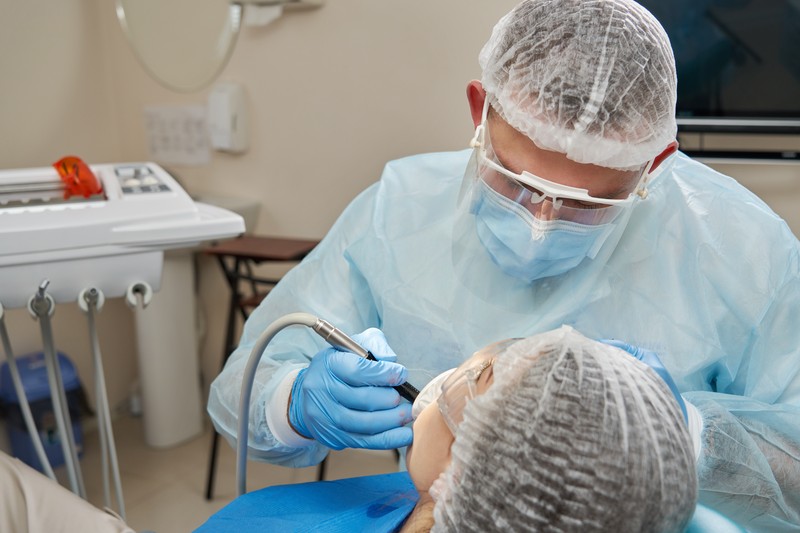
Dental practices face a combination of risks that many small businesses never encounter. Patient treatment creates professional liability exposure, while specialized equipment, confidential health information, employees, and the physical office introduce additional concerns. The right insurance program can help protect the practice, its employees, its patients, and the investments that keep the business operating.
Years of training, a growing patient base, and a considerable investment in equipment all sit behind the doors of a dental office. This is exactly why dental practice insurance deserves more attention than a quick box to check off during setup.
Reviewing the broader landscape of commercial insurance types available to Illinois practice owners is a useful starting point for understanding just how much a well-built policy actually protects.
Protecting the People Who Walk Through Your Door
Patient relationships are at the heart of every dental practice, but providing clinical care also creates professional liability risks.
A patient may bring a claim following a treatment complication, alleged error, or disagreement over a diagnosis. Depending on the circumstances, a claim can involve substantial legal expenses and other costs, even when the dentist believes the care was appropriate.
Professional liability, or malpractice insurance, is designed to address certain claims arising from professional services. Maintaining appropriate coverage gives practice owners a financial resource for eligible claims instead of leaving the practice responsible for all related expenses.
General liability insurance addresses a different category of risk. It can apply to covered third-party bodily injury or property damage incidents unrelated to patient treatment. A patient who slips in the reception area or a delivery worker injured while bringing supplies into the office are examples of situations that may fall under this type of coverage.
Together, these forms of protection address risks that can arise from both the clinical and everyday operations of a dental office.
Protecting the Equipment That Keeps the Practice Running
Modern dentistry depends on expensive and highly specialized equipment. Digital imaging systems, dental chairs, sterilization equipment, computers, and other technology can represent a significant portion of a practice’s investment.
A major loss involving fire, theft, or another covered event could make it difficult to continue treating patients normally. Commercial property insurance can help protect eligible business property, including equipment and other assets inside the office.
Business interruption coverage can address another part of the problem. If a covered loss forces the practice to temporarily close, this coverage may help replace certain lost income and ongoing expenses while repairs are completed.
Replacing damaged equipment is only part of recovering from a major incident. Keeping the practice financially stable during an extended closure can be just as important.
Protecting Patient Information in a Digital Practice
Dental offices handle large amounts of confidential information, including patient records, medical histories, imaging files, insurance information, and payment data.
Much of this information is stored and transferred through digital systems. A cyber incident that exposes sensitive records can create expenses involving investigation, notification, recovery, legal services, and other response efforts.
Cyber liability insurance can provide protection for certain costs associated with covered data breaches, ransomware incidents, and other cyber events. This coverage addresses risks that traditional general liability insurance was generally not designed to handle.
For practices that rely heavily on electronic records and connected technology, cyber protection has become an increasingly important part of the overall insurance conversation.
Protecting the Practice From Employment Disputes
Running a dental practice also means managing a workforce. Hygienists, dental assistants, office managers, receptionists, and other employees all contribute to daily operations, but employment relationships can create their own legal exposures.
Disputes involving hiring, termination, workplace conduct, discrimination, harassment, or other employment decisions can result in claims against the practice.
Employment practices liability insurance can help address certain employment-related claims, including eligible legal defense costs and other covered expenses. As a practice adds employees, having the right employment-related protections becomes increasingly relevant.
Learning From How Other Businesses Manage Similar Risk
Dental practices are not alone in carrying layered risk across property, liability, and staff exposure.
Comparing how restaurant insurance bundles coverage for equipment, foot traffic, and employee-related claims shows how differently structured industries still land on the same central idea: protecting the business means covering more than just the building itself.
Why a Generic Policy Rarely Fits
A standard small business policy pulled off the shelf rarely accounts for the specific realities of clinical care, patient records, and specialized equipment that define a dental office.
Practices that grow, add associates, or expand into a second location outgrow a policy that once fit perfectly, and the gap usually goes unnoticed until a claim exposes it. Working with an agent who knows Illinois commercial insurance and the specific exposures tied to dental practices closes that gap before it becomes an expensive lesson.
A Practice Built on Trust Deserves Protection Built the Same Way
At RetireMax Insurance, we approach dental practice coverage the same way a good dentist approaches patient care: by looking at the whole picture rather than treating each risk in isolation.
Trust is the foundation of every dental practice, between dentist and patient. That same principle guides how we build a policy, taking the time to see how a practice actually operates before recommending coverage.
We have spent more than thirty years earning the trust of business owners across the Chicago Southland by answering the phone, walking through changes as a practice grows, and staying involved well past the day a policy is signed.
As a family-owned agency with no broker fees, we build coverage around the practice you have built, not a generic template pulled from a filing cabinet.
If you have any questions about dental practice insurance, we’re just a phone click away at RetireMax Insurance.
Frequently Asked Questions
Does dental practice insurance cover claims from former patients years after treatment?
Claims-made and occurrence-based malpractice policies handle this differently, and the type of policy in place affects whether a claim filed years later is covered, which makes reviewing this detail with an agent worthwhile.
Is workers’ compensation insurance required for a dental practice with employees in Illinois?
Illinois generally requires workers’ compensation coverage for businesses with employees, including dental practices, regardless of size or the number of staff on payroll.
Can a dental practice add coverage as it grows without starting a new policy from scratch?
Most policies can be adjusted through endorsements as a practice adds staff, equipment, or locations, which is far simpler than replacing an entire policy each time the practice changes.