

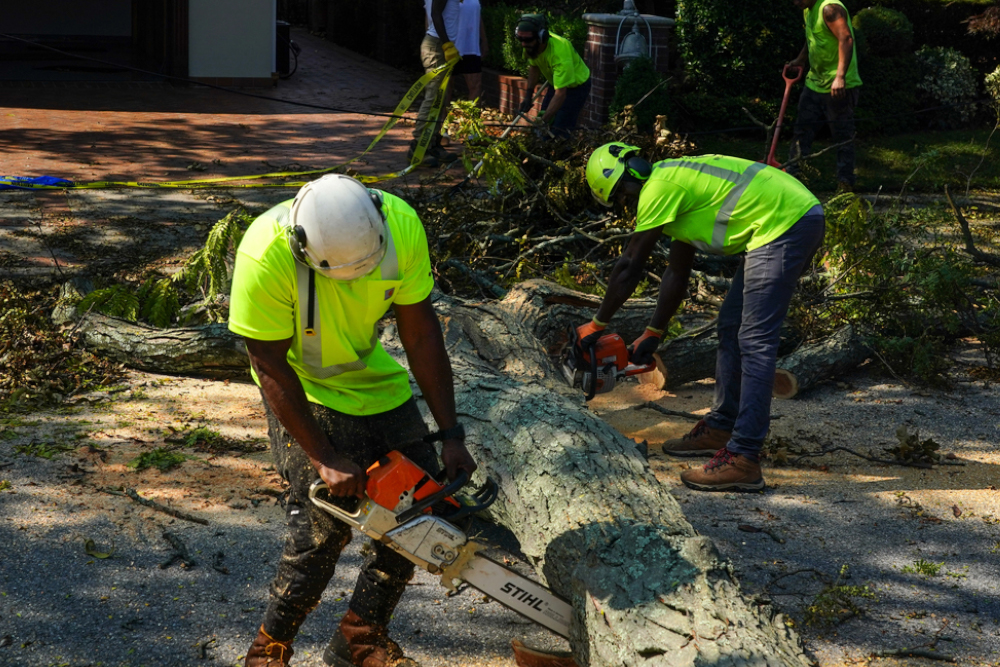
Rising storm intensity and aging trees have made homeowners ask, will home insurance cover tree removal after sudden damage disrupts daily life. Insurance policies treat fallen trees differently based on cause, location, and maintenance history, which surprises many homeowners after filing claims. Tree removal costs often appear manageable until emergency labor, debris hauling, and structural damage combine into unexpected financial pressure.
Illinois homeowners benefit from understanding policy language early, especially when discussions with Illinois insurance agents reveal coverage details before loss events.
Understanding How Home Insurance Views Tree Removal
Home insurance policies treat tree removal as a secondary expense connected to covered property damage, not standalone landscaping work. Coverage usually applies only when a tree falls due to a listed peril and causes direct obstruction or structural damage. Windstorms, ice accumulation, snow weight, lightning strikes, and fire represent common covered events triggering removal consideration.
Insurance carriers review maintenance history closely, since neglected or decayed trees often invalidate removal reimbursement. Tree removal coverage exists within policy sublimits, meaning reimbursement rarely matches full removal or disposal expenses.
When Tree Removal Costs May Be Covered
Home insurance may pay for tree removal when a fallen tree damages the home, detached garage, shed, or blocks a driveway. Coverage applies only up to the policy limit assigned to debris removal, which varies by insurer and policy type. If a storm forces emergency access restoration, insurers often consider driveway blockage removal a covered necessity.
Trees falling onto fences, patios, or landscaping usually receive limited or no reimbursement under standard policies. Insurance companies also require proof that the tree fell suddenly due to a covered peril, not gradual deterioration.
Situations That Commonly Exclude Tree Removal Coverage
Insurance policies typically exclude coverage when trees fall due to flooding or earthquake events. Dead, rotted, diseased, or visibly compromised trees usually disqualify removal reimbursement after collapse. Poor maintenance history creates denial risk, especially when prior warnings or visible decay existed before loss.
Preventative tree removal never qualifies as a covered claim under standard homeowners insurance terms. Policies also exclude removal for trees that fall without damaging insured structures or blocking access routes.
Why Tree Maintenance Directly Affects Claims
Insurance carriers expect homeowners to maintain trees as part of routine property care responsibilities. Regular trimming, pruning, and removal of compromised limbs reduce liability exposure and claim denial risk. Failure to address visible decay may shift financial responsibility entirely onto the homeowner after damage occurs.
Maintenance records, arborist reports, or service invoices strengthen claim credibility after storm-related losses. Homeowners benefit from documenting tree conditions before storm seasons, especially in wooded or older neighborhoods.
How Trees Can Damage Homes and Property
Overhanging limbs frequently damage roofing materials during high winds or heavy ice accumulation. Branches scraping siding and gutters create gradual wear that insurance rarely treats as sudden damage. Tree roots disrupt sidewalks, driveways, and underground utilities, often producing costly repairs excluded from coverage.
Trees planted too close to foundations may cause structural cracks over time through soil displacement. Blocked gutters caused by falling debris may allow water intrusion, leading to interior damage following storms.
Tree Removal and Personal Liability Concerns
When a tree falls onto a neighbor’s home, their insurance policy usually handles the damage claim. Your insurance policy rarely covers damage to neighboring property unless negligence becomes legally established. Negligence applies when homeowners knowingly ignore hazardous tree conditions threatening nearby structures.
Courts may assign financial responsibility if documentation shows awareness of decay without corrective action. Insurance carriers may deny liability coverage when homeowners fail to address known risks.
Preventative Tree Removal and Insurance Reality
Home insurance does not pay for preventative tree removal, even when potential damage appears likely. Preventative removal qualifies as routine maintenance, similar to roof repairs or gutter cleaning. Many homeowners find removal costs lower than deductibles, reducing financial incentive to file claims.
Avoiding claims also helps prevent premium increases following property loss incidents. Consulting professionals early often saves money compared to emergency removal after storms.
Emergency Tree Removal After Severe Weather
Emergency removal costs rise quickly after storms due to labor shortages and increased demand. Trees tangled in power lines, roofs, or traffic lanes often require specialized equipment and crews. Insurance policies may reimburse part of emergency removal when covered damage exists.
Documentation through photos and invoices improves reimbursement outcomes during claim reviews. Homeowners should contact insurers promptly before authorizing extensive emergency work when possible.
Tree Removal Costs and What Influences Pricing
Tree removal costs range widely, depending on height, trunk diameter, and surrounding obstacles. Small trees typically cost less due to easier access and reduced labor requirements. Tall trees exceeding fifty feet often demand cranes, increasing labor and equipment expenses.
Trees near utility lines or structures require careful removal, driving higher service charges. Emergency removal during storms usually commands premium pricing due to safety risks and urgency.
Additional Charges Homeowners Often Overlook
Stump grinding and wood chipping usually incur additional charges beyond base removal costs. Hauling debris away may cost extra if disposal sites require special permits or fees. Some companies offer firewood cutting services for fallen trees at an added expense.
Insurance reimbursement rarely includes stump removal unless explicitly listed in policy terms. Understanding these exclusions prevents disappointment after reviewing claim settlements.
How Coverage Limits Affect Tree Removal Claims
Most policies cap debris removal reimbursement between fixed dollar limits per loss event. These limits apply regardless of the number of trees involved in the covered incident. Coverage limits may appear generous until emergency labor rates exceed expectations.
Homeowners benefit from reviewing policy declarations before storms create urgent situations. Higher dwelling coverage does not automatically increase debris removal sublimits.
Illinois Weather Patterns and Tree Risk Exposure
Illinois weather includes strong winds, ice storms, and heavy snow events affecting mature trees. Freeze thaw cycles weaken root systems, increasing fall risk during seasonal transitions. Urban and suburban properties with older trees face higher maintenance responsibilities.
Local building density amplifies damage potential when trees fall across structures. Working with experienced Illinois insurance agents helps homeowners align coverage with regional risks.
How Policy Language Shapes Claim Outcomes
Policy wording determines what qualifies as a covered peril affecting tree removal reimbursement. Terms like sudden loss and accidental damage influence claim eligibility decisions. Insurance adjusters assess the cause of loss carefully, not simply the visible damage.
Misunderstanding policy exclusions leads many homeowners to unexpected claim denials. Clear explanation from insurance professionals reduces confusion during stressful claim events.
Steps Homeowners Can Take Before Storm Season
Inspect trees annually for decay, leaning, or root exposure around foundations. Hire certified arborists to evaluate high risk trees near homes or utilities. Trim branches extending over roofs to reduce impact risk during storms.
Document maintenance actions with photos and service receipts for future reference. Review insurance policies with knowledgeable professionals to understand removal limitations.
Why Many Claims Get Partially Paid or Denied
Claims fail when trees fall without damaging insured property or blocking access. Lack of maintenance evidence weakens homeowner positions during claim investigations. Deductibles often exceed debris removal limits, eliminating reimbursement entirely.
Policy exclusions override assumptions based on neighbor experiences or online advice. Clear communication with insurers improves expectations before filing claims.
How Home Insurance Connects Tree Removal to Structural Damage
Tree removal reimbursement typically activates only after confirmed structural damage occurs. Roof punctures, broken siding, or collapsed garages qualify as covered triggers. Tree removal alone without damage usually falls outside coverage consideration.
Adjusters separate debris removal costs from repair expenses during claim evaluations. Understanding this connection clarifies why some claims receive limited payment.
How RetireMax Insurance Helps Homeowners
At RetireMax Insurance, we help homeowners understand how tree removal fits within real policy language before storms create urgency. As a family-owned agency, we review coverage limits, explain exclusions, and answer calls when questions arise. Our team works with Illinois homeowners to align protection with property risks, helping avoid surprises after damage occurs.