

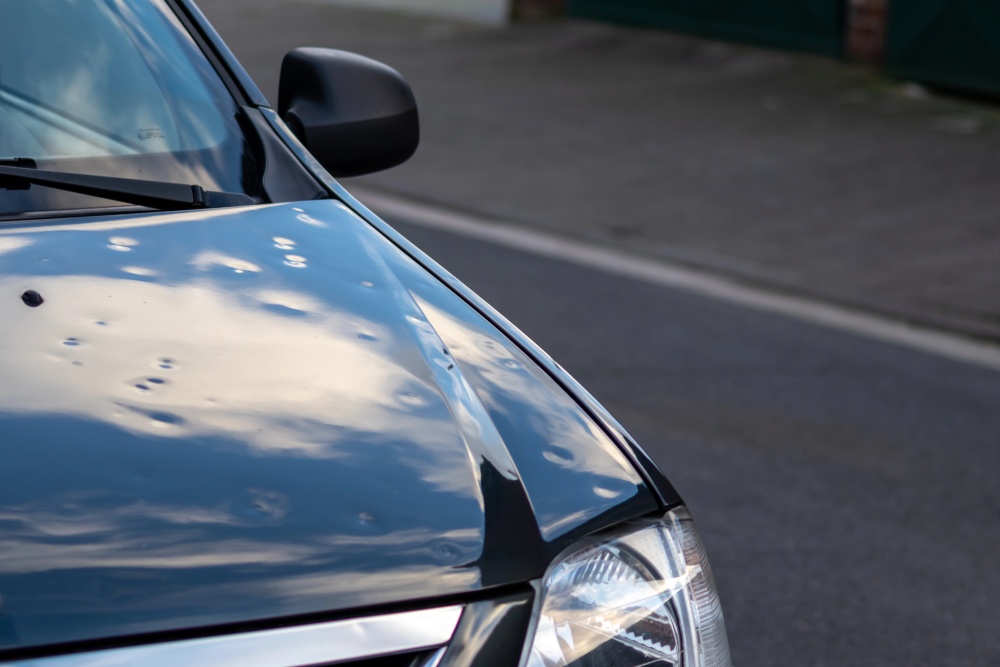
If you live in a region that experiences strong storms, you may wonder, ‘Will car insurance cover hail damage, and how are repairs handled when your vehicle is struck by hail?’ As you probably already know, hail can dent metal panels, crack glass, break mirrors, and affect your vehicle’s appearance or value.
RetireMax Insurance can help you review your policy, understand claim steps, and learn what options are available. This guide explains how hail coverage functions, what repairs may qualify, how deductibles apply, and when filing a claim may be beneficial based on your situation.
Understanding How Hail Damage Coverage Works
Hail damage is usually covered under a comprehensive auto insurance policy. Comprehensive coverage applies to events that are not related to collisions, such as weather, theft, fire, and falling objects. If your policy includes this coverage, your insurer will generally pay for damage caused by hail, including dents, glass cracks, or broken mirrors.
Your deductible must be met before your insurer contributes to the cost. If the repair amount is below the deductible, the cost becomes your responsibility. If the amount exceeds the deductible, your insurer pays the difference up to the policy limit. Many drivers look for Illinois auto insurance that provides dependable protection at a reasonable cost.
What Types of Damage Are Usually Covered
Hail often damages the hood, roof, trunk, fenders, and doors. These areas may develop dents that require paintless dent repair or panel replacement. A strong storm can also crack a windshield, break windows, or damage exterior mirrors.
Some vehicles may experience damage to headlights, taillights, or trim pieces. Although uncommon, hail can also affect mechanical parts if the impact is severe enough.
Comprehensive coverage usually pays for repairs connected to hail as long as the cause can be verified. Your insurer may require an inspection by an adjuster or a repair facility. Clear photos and storm details can support your claim. RetireMax Insurance can help you prepare your documentation and understand which repairs are eligible.
When Hail Damage Might Lead to a Total Loss
If repair costs exceed the value of the vehicle, your insurer may classify the vehicle as a total loss. This outcome is more likely for older cars or vehicles with prior wear.
Insurers apply a percentage formula to decide when a car is considered a total loss. The percentage used varies by insurer and by state. When a vehicle is totaled, the insurer pays its actual cash value, minus your deductible.
If you still owe money on the loan, the settlement usually goes to the lender. Drivers with gap insurance may receive help covering any remaining balance.
The Claims Process for Hail Damage
The claims process begins by contacting your insurer soon after the storm. You may be asked for the date and time of the storm, your vehicle’s location, and a brief description of the damage.
The insurer then arranges an inspection. In some cases, adjusters travel through affected neighborhoods. In other cases, you may visit a repair facility approved by your insurer. The adjuster reviews dents, glass damage, and other affected areas and prepares an estimate.
Once the estimate is finished, you may choose where to have repairs done. Many insurers have preferred repair shops, but you can select your own shop if you prefer. Payment may go directly to the repair shop or to you, depending on the insurer.
Deductibles and Out-of-Pocket Costs
Your deductible plays a major role in the cost of a hail claim. If repairs cost less than your deductible, you pay the full amount. If repairs cost more than your deductible, your insurer pays the remaining balance.
Some insurers offer separate coverage for glass or lower deductibles for windshield repair. Others provide weather related programs for regions with frequent hail.
Before filing a claim, you may want to request a repair estimate so that you can evaluate the cost. RetireMax Insurance assists clients in comparing deductibles and reviewing policy terms to help you decide how to move forward.
Preventing or Reducing Hail Damage
While you cannot stop a storm, you can take steps to lower the chance of damage. Parking in a garage during storm season offers strong protection. If covered parking is not available, specialized car covers can help reduce dents.
Monitoring weather alerts can help you move your vehicle before a storm arrives. Some drivers choose lower comprehensive deductibles if they live in areas with frequent hail events.
Our team at RetireMax Insurance offers auto, home, life, health, Medicare, and pet coverage. Illinois insurance agents can help you compare options and select coverage that meets your needs. We work with you to build policies that support your long-term protection and help you prepare for unexpected events.