

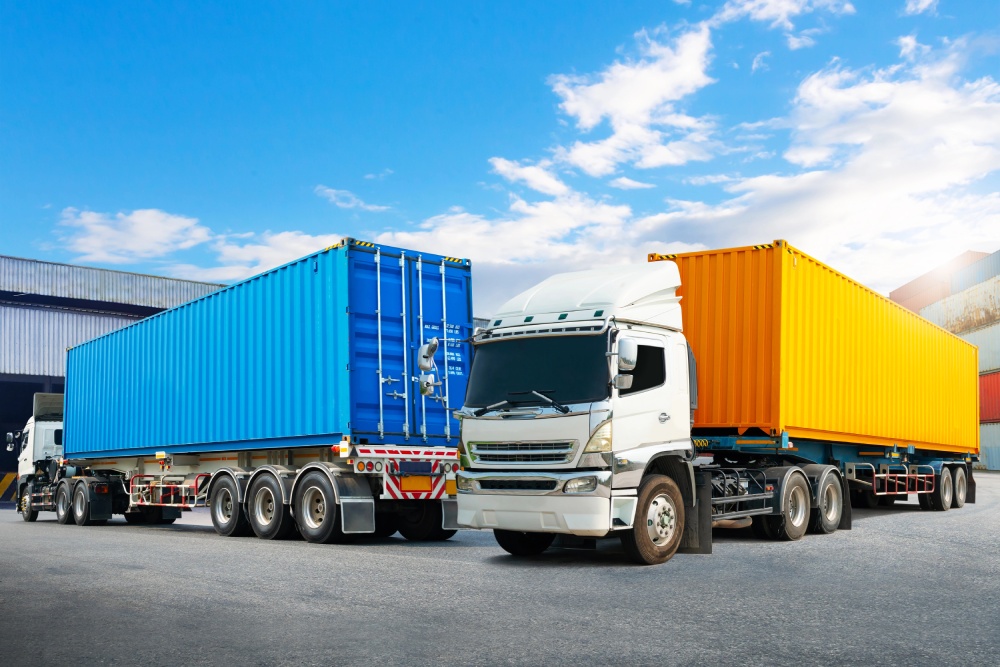
Managing a business with multiple vehicles means dealing with unique risks and expenses. Commercial fleet insurance helps protect those vehicles and your company from financial losses. Here is how commercial vehicle insurance works, the coverage options available, and factors that influence the cost of insurance for commercial vehicles.
What Is Commercial Fleet Insurance?
It covers a group of vehicles owned or operated by a business under one policy. This type of insurance simplifies managing coverage for multiple vehicles and offers benefits beyond insuring each vehicle separately. It typically applies to companies with five or more vehicles, though some insurers may have different requirements.
Commercial fleet insurance combines protection for vehicles used in business activities, such as deliveries, transportation, or service calls. It offers flexibility to include various types of vehicles, from light trucks to commercial trucks. This insurance supports the operational needs of businesses while managing risks on the road.
The policy can be tailored to the specific risks faced by the fleet, including liability, property damage, and medical expenses. Bundling coverage into one agreement helps reduce administrative tasks, simplifies claims handling, and often offers competitive rates.
Types of Coverage Included
Insurance for commercial vehicles generally includes several types of coverage designed to protect against different risks. Liability coverage is mandatory and protects against damage or injury to others caused by your vehicles. This is the base protection for all commercial fleets.
Collision and comprehensive coverage protect your vehicles against damage from accidents, theft, vandalism, and natural disasters. These options help maintain the value of your fleet and reduce out-of-pocket repair costs. They are often added depending on the age and use of the vehicles.
Additional coverages may include uninsured motorist protection, medical payments for injuries, and coverage for tools or equipment carried in vehicles. Businesses can also add coverage for hired or non-owned vehicles used temporarily. These options offer comprehensive protection tailored to specific needs.
Factors Affecting Insurance Costs
The cost of commercial fleet insurance varies widely depending on several factors. The size and type of the fleet play a significant role, with larger or specialized vehicles usually costing more to insure. Vehicles used for heavy-duty tasks or carrying hazardous materials will often face higher premiums.
Driver experience and records also impact rates. Fleets with well-trained drivers and clean safety records typically receive better pricing. Conversely, fleets with frequent accidents or violations face increased costs due to higher risks.
Location also affects insurance costs, with urban areas or regions with higher theft and accident rates charging more. The intended use of vehicles, such as local deliveries or long-haul trucking, influences the risk profile and insurance pricing. Coverage limits and deductibles chosen by the business further shape the premium amounts.
Comparing Fleet Insurance to Individual Policies
Depending on the business structure, choosing between commercial fleet insurance and individually rated commercial auto insurance can be challenging. Fleet insurance consolidates coverage, often leading to administrative ease and potential discounts. It also allows the insurer to assess overall risk rather than pricing vehicles separately.
Individually rated policies price each vehicle based on its specific use, driver, and risk factors. This approach can suit smaller businesses or those with unique vehicle needs. However, managing multiple policies may require more time and increase paperwork.
Fleet insurance typically offers more customized service, including policy endorsements and risk management advice. It may also allow for more flexible claims handling across the entire fleet. Businesses must weigh these benefits against the cost and complexity of their fleet.
Importance of Risk Management
Risk management plays a significant role in controlling insurance costs and maintaining safety. Implementing driver training programs and enforcing safety policies reduces accidents and lowers risk. Insurers reward businesses that actively manage their risks with better premium rates.
Regular vehicle maintenance helps prevent breakdowns and accidents, contributing to a safer fleet. Keeping detailed records of inspections, repairs, and driver behavior supports risk mitigation efforts. This proactive approach benefits both safety and insurance costs.
Investing in technology, such as GPS tracking and driver monitoring, enhances oversight. These tools allow fleet managers to address unsafe behaviors promptly, and insurance companies often consider such measures positively during policy evaluations.
Legal Requirements for Commercial Vehicles
Commercial vehicles must meet state and federal regulations, which affect insurance coverage needs. Liability minimums and specific insurance mandates vary depending on vehicle type and cargo. Businesses must understand these requirements to avoid penalties and maintain compliance.
Due to their size and cargo risks, some commercial trucks require additional endorsements or specialized policies. For example, vehicles transporting hazardous materials face stricter insurance guidelines. Failure to comply with insurance laws can lead to fines or legal complications.
Understanding local regulations helps businesses select appropriate coverage levels. Working with knowledgeable insurance agents can clarify these requirements. Proper insurance protects the business from liability and supports lawful operation.
How Claims are Handled
When a fleet vehicle is involved in an incident, the claims process is often managed under the fleet policy framework. This unified approach simplifies reporting and handling multiple claims. The insurance provider typically assigns a dedicated claims adjuster familiar with the fleet.
Efficient claims management reduces vehicle downtime, helping maintain business operations. Some insurers offer online portals or mobile apps for quick claims filing, improving communication, and speeding up the resolution process.
Proper documentation, including photos and reports, supports faster claim approval. Fleet managers should train drivers to report incidents promptly and accurately. Clear communication with the insurer minimizes delays and confusion.
Advantages of Working with a Family-Owned Insurer
Choosing a family-owned insurance company offers personal service, which is often lacking in larger corporations. With decades of experience, such insurers understand the unique needs of local businesses. They are more likely to offer tailored solutions and flexible policies.
Customer service is a strong focus, with direct access to agents who answer calls and return emails promptly. This level of attention builds trust and long-term relationships. Business owners benefit from transparent communication and personalized guidance.
Family-owned agencies may offer competitive pricing by cutting out broker fees. They take pride in supporting their clients’ growth and safety. This commitment reflects in responsive service and effective coverage options.
Cost-Saving Tips for Fleet Insurance
Through careful planning and management, businesses can reduce insurance expenses. Investing in driver safety training lowers accident rates and related costs. Incentives or reward programs encourage safe driving habits among employees.
Regular vehicle maintenance prevents costly repairs and accidents. Keeping the fleet updated with safer and more fuel-efficient models can also decrease premiums. Older vehicles may increase risk and claims, leading to higher costs.
Reviewing coverage annually allows adjustments to fit changing fleet needs. Removing unnecessary coverage or raising deductibles can bring savings. Consulting an experienced agent makes sure the policy aligns with business goals.
Future Trends in Commercial Vehicle Insurance
Advances in technology are shaping the future of commercial fleet insurance. Telematics and data analytics provide insurers with detailed risk assessments, allowing for more personalized pricing based on actual driving behavior.
Electric and autonomous vehicles are becoming more common in fleets. Insurance products are evolving to address these new risks and liabilities. Businesses adopting these technologies may benefit from specialized coverage options.
Environmental concerns and regulatory changes will continue influencing insurance requirements. Insurers and fleet operators must adapt to shifting landscapes. Staying informed helps maintain effective protection and cost management.
Customizing Coverage for Different Vehicle Types
Different fleet vehicles often require distinct coverage options to match their specific risks. Light-duty trucks may need standard liability and collision protection, while heavy-duty commercial trucks might require additional cargo and trailer insurance. Tailoring coverage ensures that each vehicle is adequately protected without paying for unnecessary extras.
Specialized vehicles, such as refrigerated trucks or tow trucks, often face unique exposures. Adding endorsements or separate policies can address these specialized needs. Customizing insurance supports operational efficiency and financial security across diverse fleet assets.
Working with an experienced agent helps identify the right mix of coverage. This avoids gaps that could leave vehicles or business assets vulnerable. Personalized policies bring peace of mind for fleet managers and business owners.
Impact of Driver Behavior on Insurance Rates
Driver behavior significantly affects insurance costs for commercial fleets. Safe driving records, including minimal accidents and violations, typically result in lower premiums. Insurance companies reward fleets with strong safety performance through discounts and better terms.
Conversely, frequent traffic violations or at-fault accidents increase risk, raising insurance expenses. Monitoring driver behavior through training programs and telematics can help improve safety and reduce claims. Proactive management of drivers directly benefits insurance costs.
Encouraging accountability among drivers strengthens the overall safety culture. Businesses with disciplined, well-trained drivers enjoy more stable insurance rates and fewer disruptions. This focus on behavior complements coverage choices and risk management efforts.
Protect Your Fleet with Expert Guidance
Managing a fleet requires reliable insurance that matches your business needs. At RetireMax Insurance, we understand the complexities of commercial vehicle insurance. Our family-owned agency has served Illinois businesses for over 30 years, offering responsive service and competitive rates.
We work closely with clients to tailor coverage for their fleets and reduce costs without sacrificing protection. Contact us to learn how our Illinois commercial insurance solutions can safeguard your business. Speak with a knowledgeable agent today.